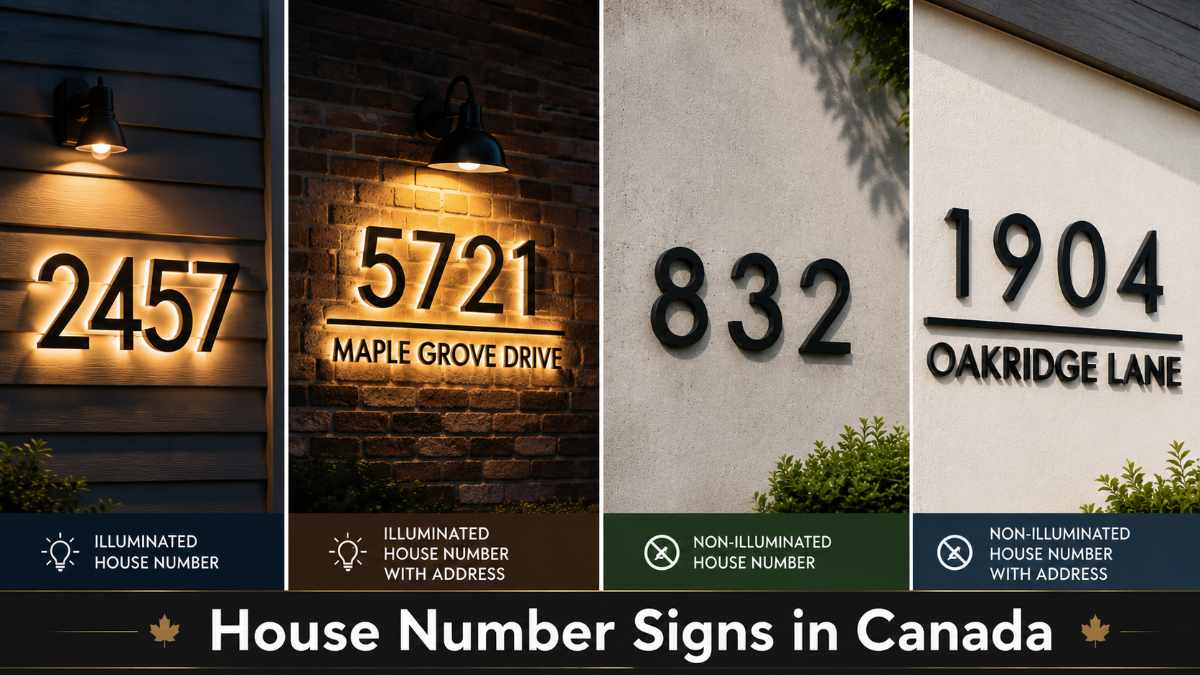
Browse House Number Signs — See our illuminated and non-illuminated address signs built for Canadian homes.
Why Address Visibility Matters More in Nova Scotia and New Brunswick
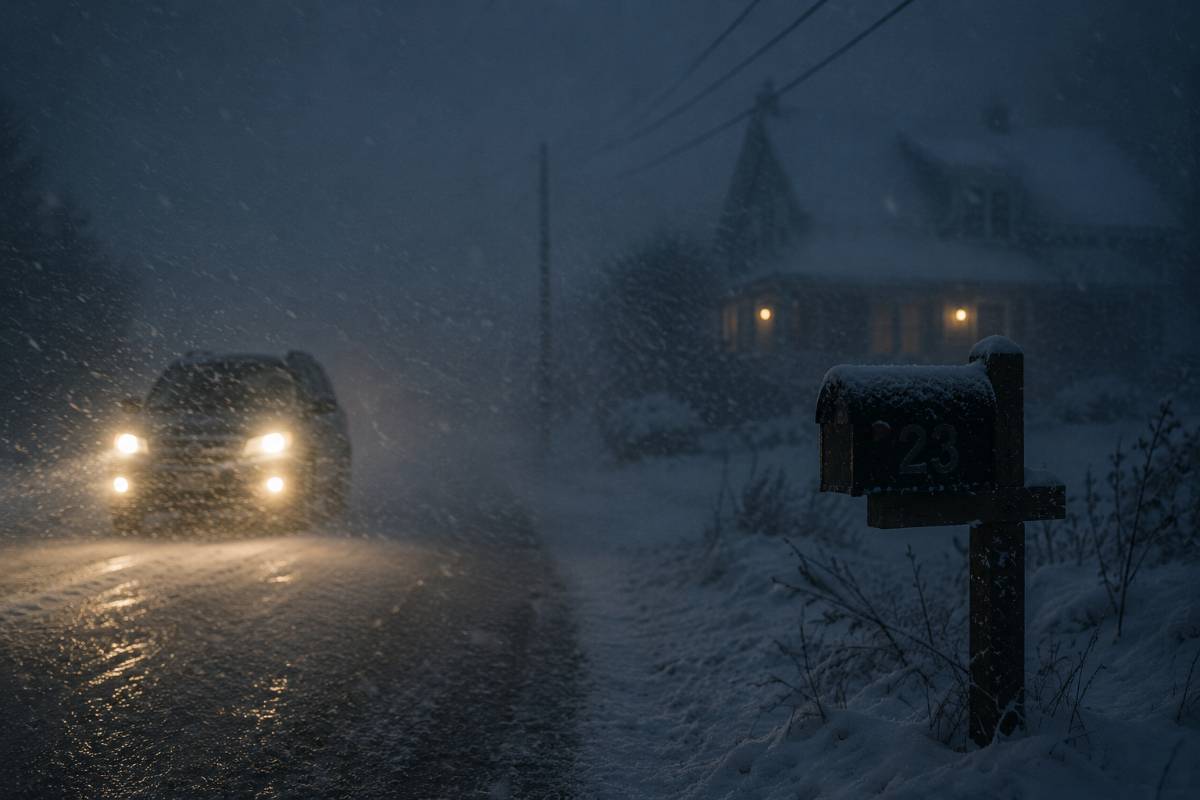
Atlantic Canada weather reduces visibility faster than most people expect. Snowfall, coastal fog, heavy rain, and long winter evenings make traditional numbers almost impossible to read from the road. For older homeowners especially, better visibility is about safety and practicality, not decoration.
Hard-to-Read Numbers Cause Everyday Problems
Small metal numbers near the front door may look fine during the day. At night, they become hard to see. Delivery drivers slow down searching for addresses. Visitors miss driveways. Emergency responders lose valuable time.
This happens most often at:
- Rural homes with long driveways
- Homes surrounded by trees or landscaping
- Properties with limited outdoor lighting
- Houses set far from the road
Canadian Winters Make It Worse
Snowbanks, ice, and darker evenings make it even harder to read house numbers from a passing vehicle. Even reflective surfaces become less visible when outdoor lighting is poor. That is why many homeowners now upgrade to house number signs with built-in light or larger address plaques.
Customer Story: Winter Visibility Problems on a Rural Property
Kevin and Laura owned a rural property outside Truro. Their driveway curved away from the road and was hard to spot on winter evenings.
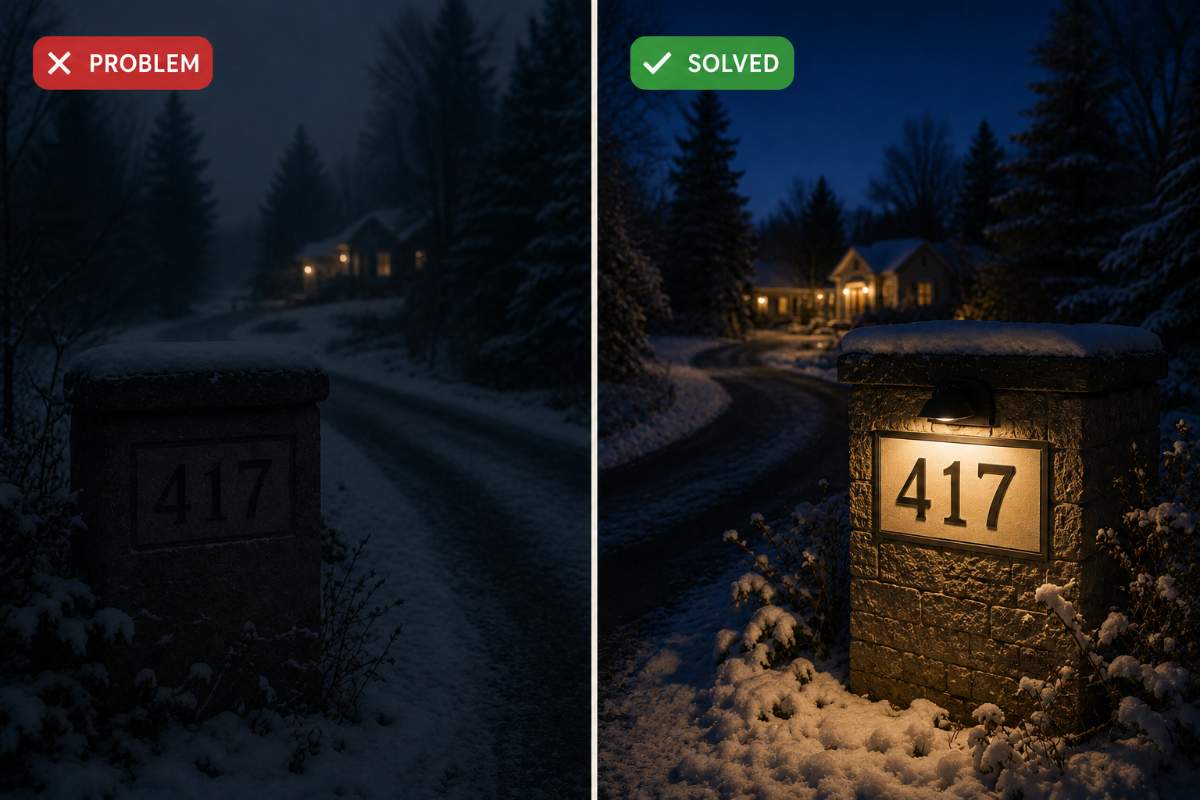
Their old metal numbers were mounted beside the front door and disappeared completely during snowfall or fog. After multiple missed deliveries and visitors driving past, they upgraded to an illuminated house number sign closer to the road. The larger backlit numbers worked much better during snowstorms and low-light evenings.
The biggest improvements they noticed:
- Easier visibility from passing vehicles
- Fewer missed deliveries
- Better readability during snowfall
- Less confusion for first-time visitors
This is common on:
- Long driveways
- Tree-covered rural properties
- Homes set far back from the road
- Roads with limited lighting
House Number Signs vs Full Address Signs
Not every property needs the same style. Some homes just need visible numbers. Others benefit from showing both the house number and street name together.
Standard House Number Signs
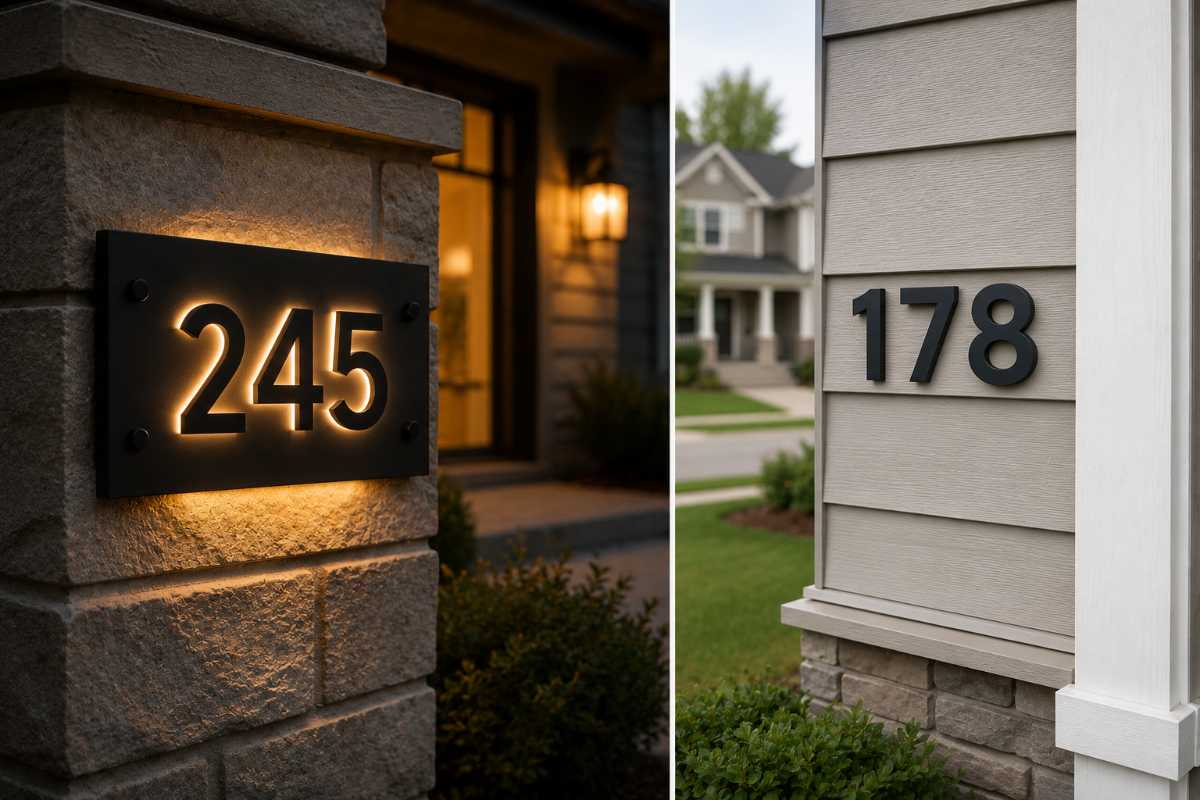
Traditional house number signs show only the civic number. They work well when:
- The home is close to the road
- Street signs are clearly visible
- The neighborhood has good lighting
- Visitors can find the property easily
For suburban homes, simple non-illuminated house number signs may be enough during the day.
House Number Address Signs With Street Names
Properties in rural Nova Scotia and New Brunswick often benefit from signs that include both the number and street name.
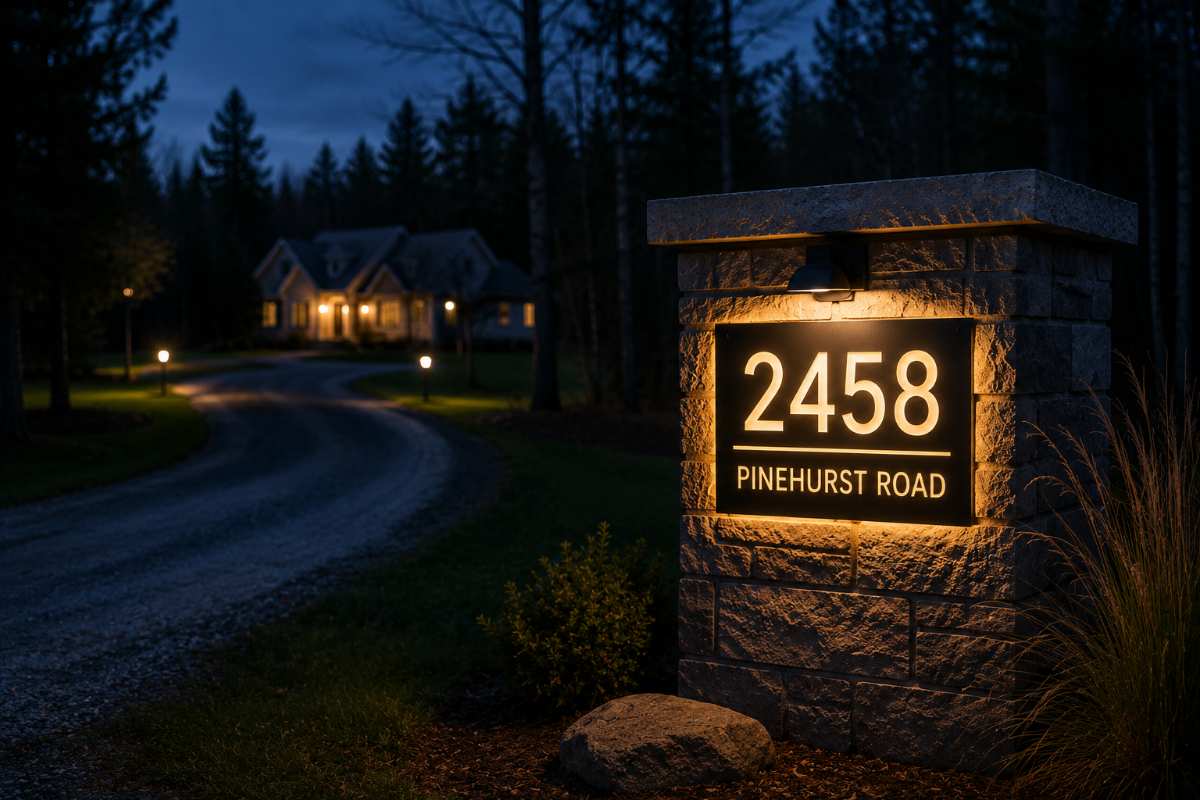
This helps when:
- Roads are poorly lit
- GPS directions are not accurate
- Driveways are long
- Multiple homes are close together
Illuminated house number and street name signs give better visibility from farther away and reduce confusion at night.
Customer Story: Guests Missing the Driveway
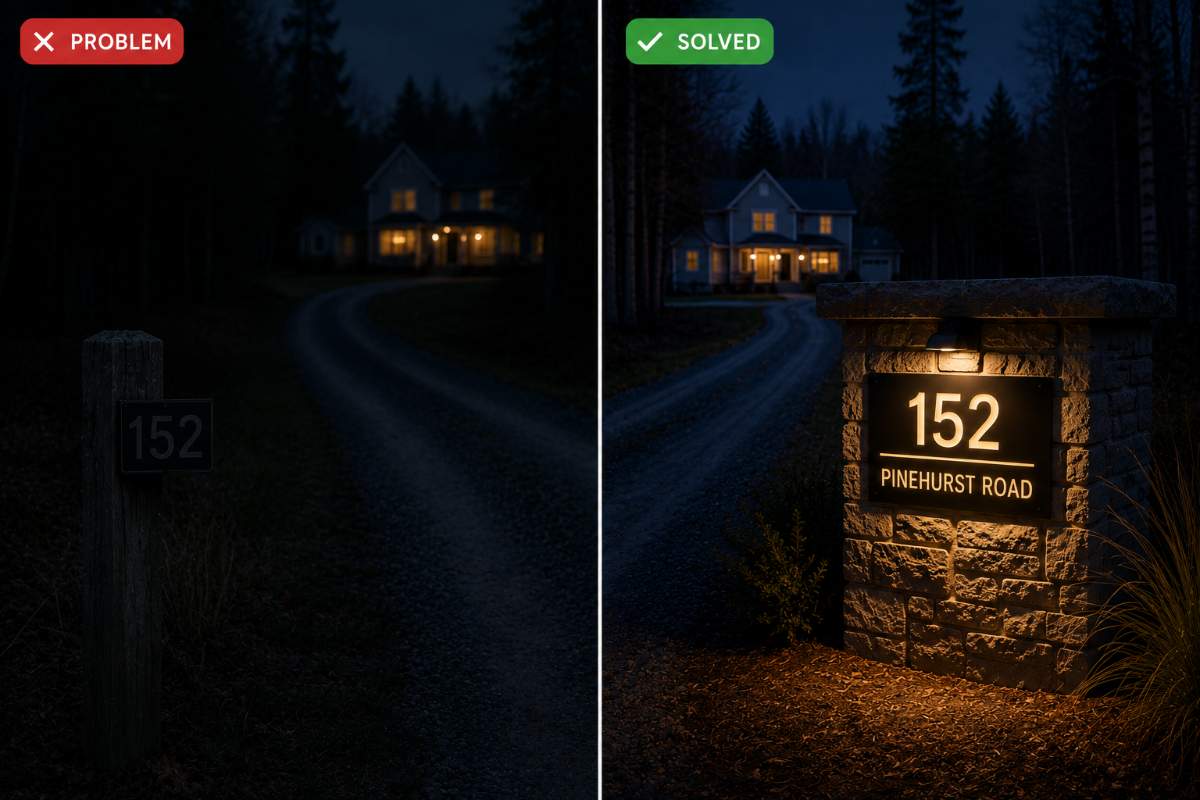
Daniel Mercer's home was on a secondary road in New Brunswick where GPS directions were not always right. Guests regularly drove past the driveway because the old house numbers were too small to read from the road, especially after dark.
He installed an illuminated house number and street name sign near the driveway entrance. Adding both the civic number and street name made the property much easier to find.
The updated sign helped solve:
- Missed driveways at night
- Delivery confusion
- Poor roadside readability
- Navigation problems during foggy evenings
Illuminated vs Non-Illuminated House Number Signs
One of the biggest choices homeowners face is whether to get illuminated or non-illuminated signage. Both serve different needs.
Why Illuminated House Number Signs Are Becoming More Popular
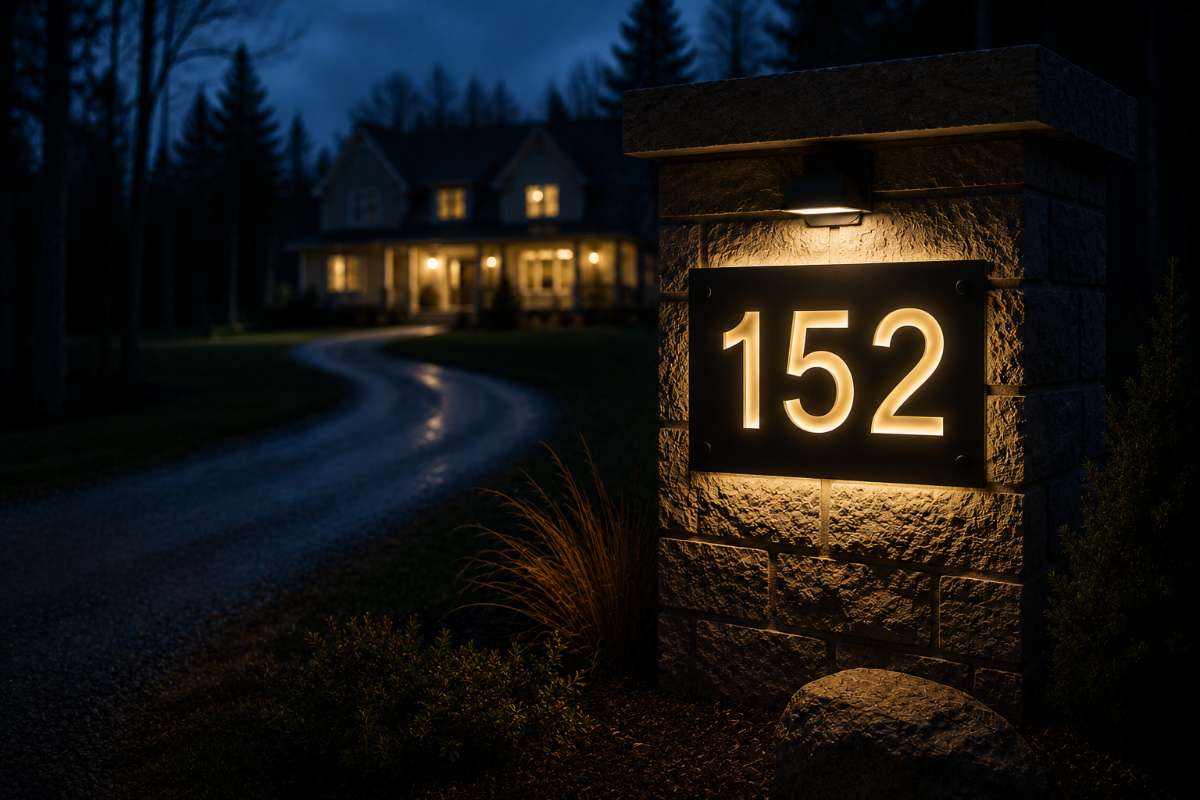
Illuminated house number signs stay visible in bad weather and low light. Unlike traditional metal numbers that depend on outdoor lights, our LED signs provide steady visibility all evening.
Benefits of Illuminated House Number Signs
- Easier to read during snowstorms and fog
- Better visibility from passing vehicles
- Helpful for aging homeowners and visitors
- Better nighttime delivery accuracy
- Adds soft light near entrances
Our LED lights use very little electricity and last for years.
Warm White vs Pure White LED Lighting
Warm white gives a softer look that works well with traditional Maritime homes. Pure white offers stronger visibility and sharper contrast from a distance.
The best choice depends on:
- Your home's exterior color
- Distance from the road
- Existing outdoor lighting
- How much visibility you need
Customer Story: Missed Deliveries From Poor Visibility
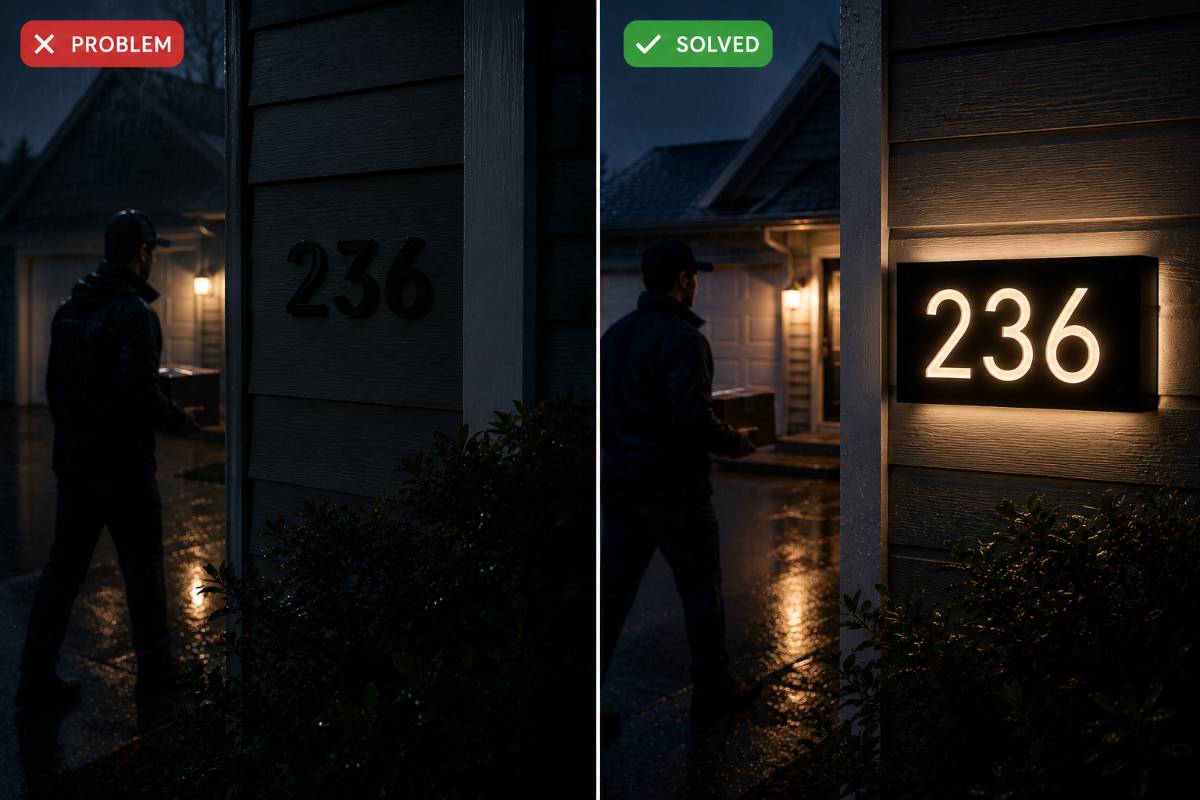
Jennifer Collins lived in a suburban area where many homes had similar layouts and dark exterior finishes. Her black metal house numbers blended into the siding after sunset. She kept having delivery issues and visitors getting confused at night.
She upgraded to an illuminated house number sign with brighter contrast and larger spacing between the numbers. The difference was noticeable right away.
The improved sign helped with:
- Faster delivery identification
- Easier nighttime readability
- Better visibility during rain and fog
- Less confusion for visitors
Homes with dark siding, limited porch lighting, or closely spaced properties benefit most from illuminated signs.
When Non-Illuminated House Number Signs Still Work
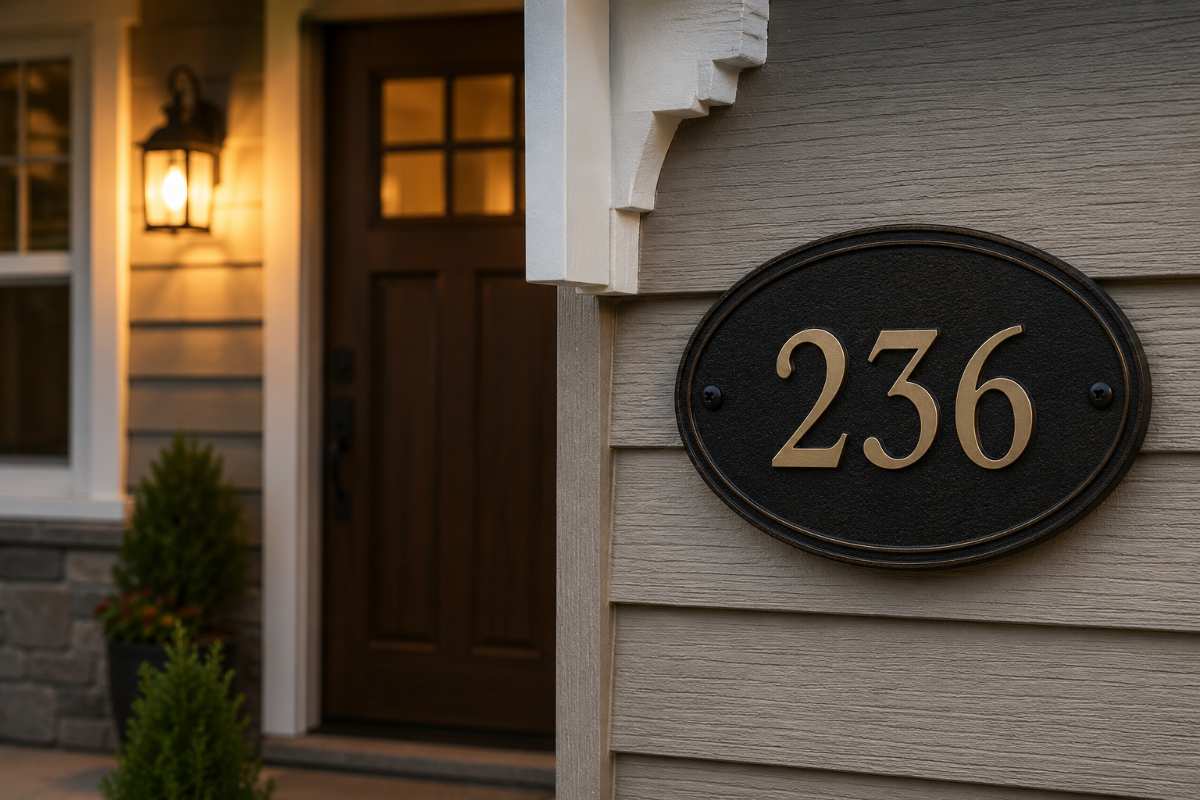
Not every homeowner needs lighting in the sign. Non-illuminated signs work well when outdoor visibility is already good.
Good Situations for Non-Illuminated Signs
These signs work well for:
- Homes with strong porch lighting
- Covered entrances protected from weather
- Short driveways
- Minimalist or traditional home designs
Non-illuminated house number and street name signs are also popular with homeowners who want a classic look without electrical installation.
Reflective Address Signs as an Alternative
Reflective signs improve nighttime visibility by bouncing back vehicle headlights. They do not have their own light, but they are much better than standard flat numbers.
Customer Story: Traditional Home Needed Better Readability
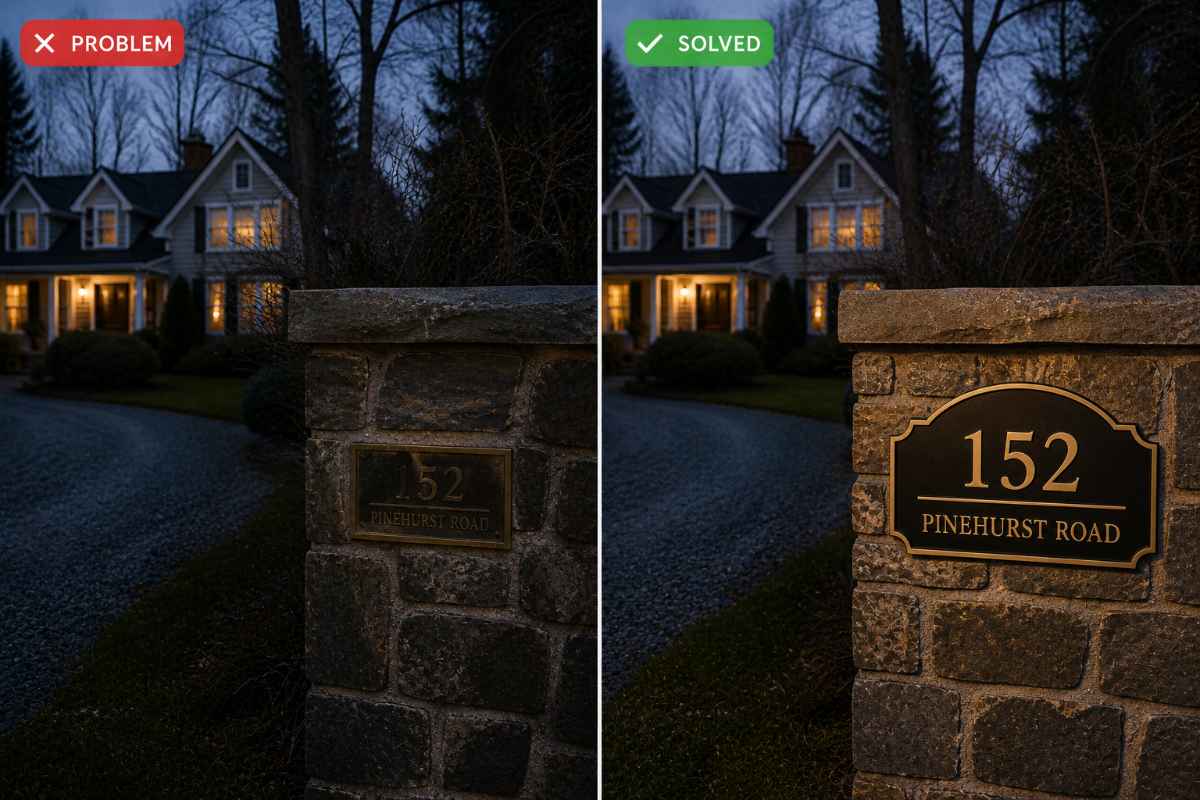
Margaret Wilson owned a traditional Maritime-style home. She wanted better visibility without modern LED lighting that might feel out of place. Her old brass numbers had faded and were hard to read from the road.
She upgraded to a larger non-illuminated house number and street name sign with stronger contrast, placed closer to the driveway entrance. The new plaque-style sign improved nighttime readability, matched the traditional exterior, and made the driveway easier to find.
Common Problems With Traditional House Numbers
Many older address numbers were installed years ago. Over time, problems show up.
Small Numbers Become Hard to Read
Thin lettering and fancy fonts disappear from the road, especially in rain or at night.
Dark Finishes Blend Into Walls
Black numbers on dark siding or brick are very hard to see after sunset.
Landscaping Slowly Blocks Visibility
Trees, shrubs, decorations, and snow often cover address numbers without homeowners noticing.
Weather Damages Readability
Atlantic Canadian weather fades paint, corrodes finishes, and reduces contrast over time.
Choosing Materials That Handle Canadian Weather
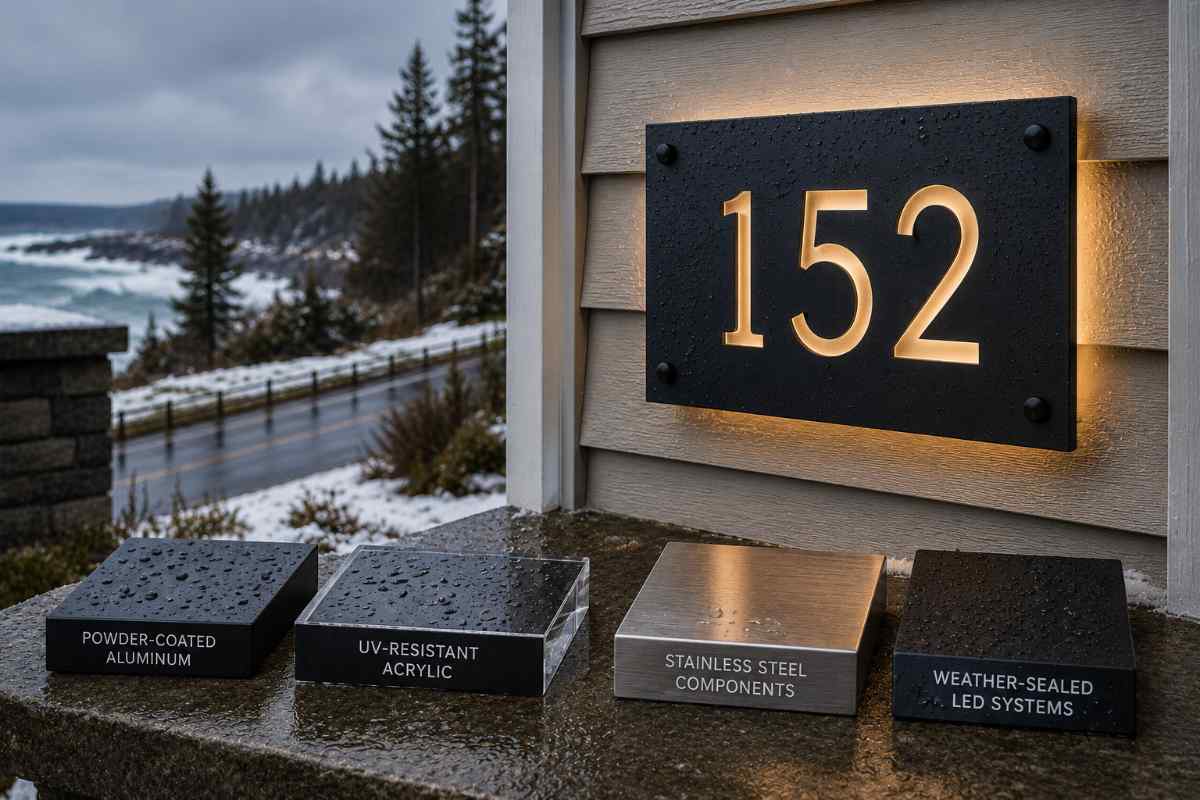
Material quality matters for long-term durability.
Weather Conditions in Nova Scotia and New Brunswick
Homes in these areas deal with:
- Moist coastal air
- Frequent freeze-thaw cycles
- Snow buildup
- Heavy rainfall
- Road salt exposure
Poor-quality signs fade, rust, or crack much faster outside.
Durable Materials We Use
Our signs use:
- Powder-coated aluminum
- UV-resistant acrylic
- Stainless steel parts
- Weather-sealed LED systems
These materials keep signs readable and reduce maintenance over time.
Placement Mistakes That Reduce Visibility
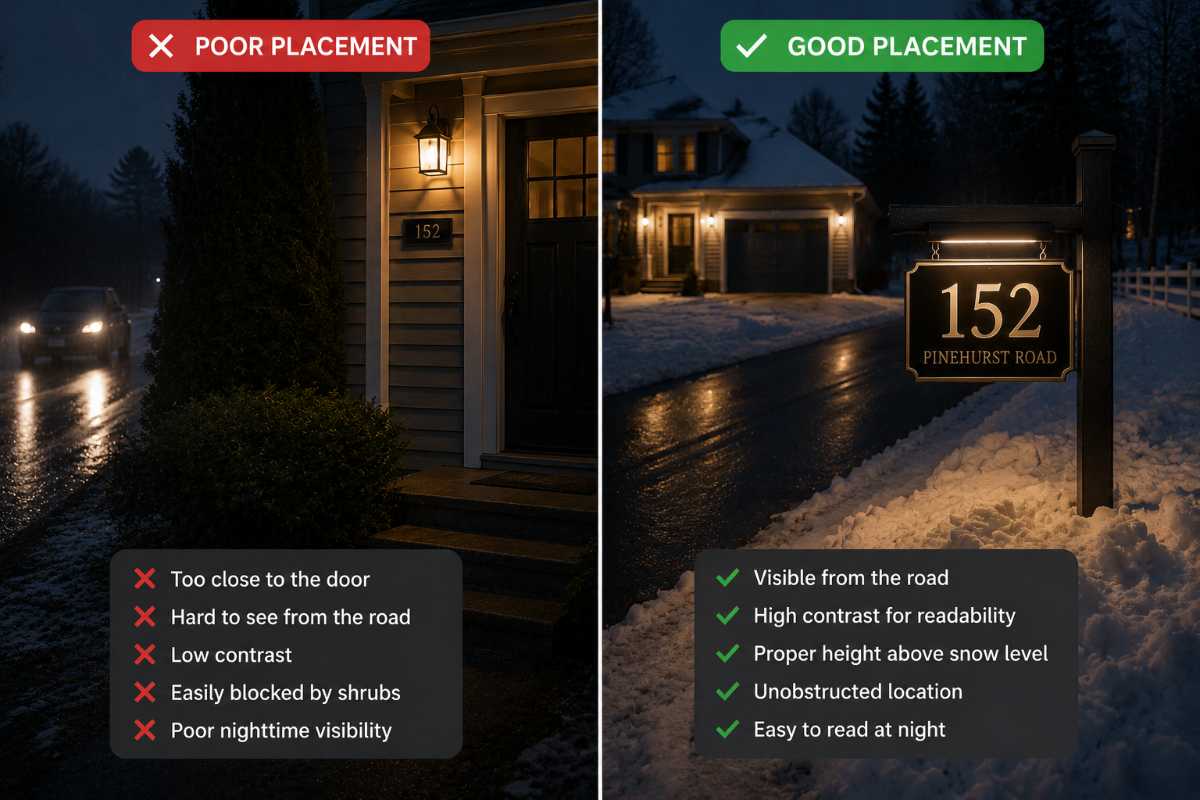
Even the best sign does not help if it is placed wrong.
Signs Too Close to the Door
Many homeowners mount numbers near the front door. That spot is often hard to see from the road.
Decorative Fonts Reduce Readability
Fancy fonts may look nice up close but are hard to read from a moving vehicle.
Poor Contrast Makes Numbers Disappear
Low contrast between the sign and the numbers hurts visibility after sunset.
Winter Snow Coverage
Signs mounted too low get covered by snowbanks in winter.
Customer Story: Bright Light Caused Glare Problems
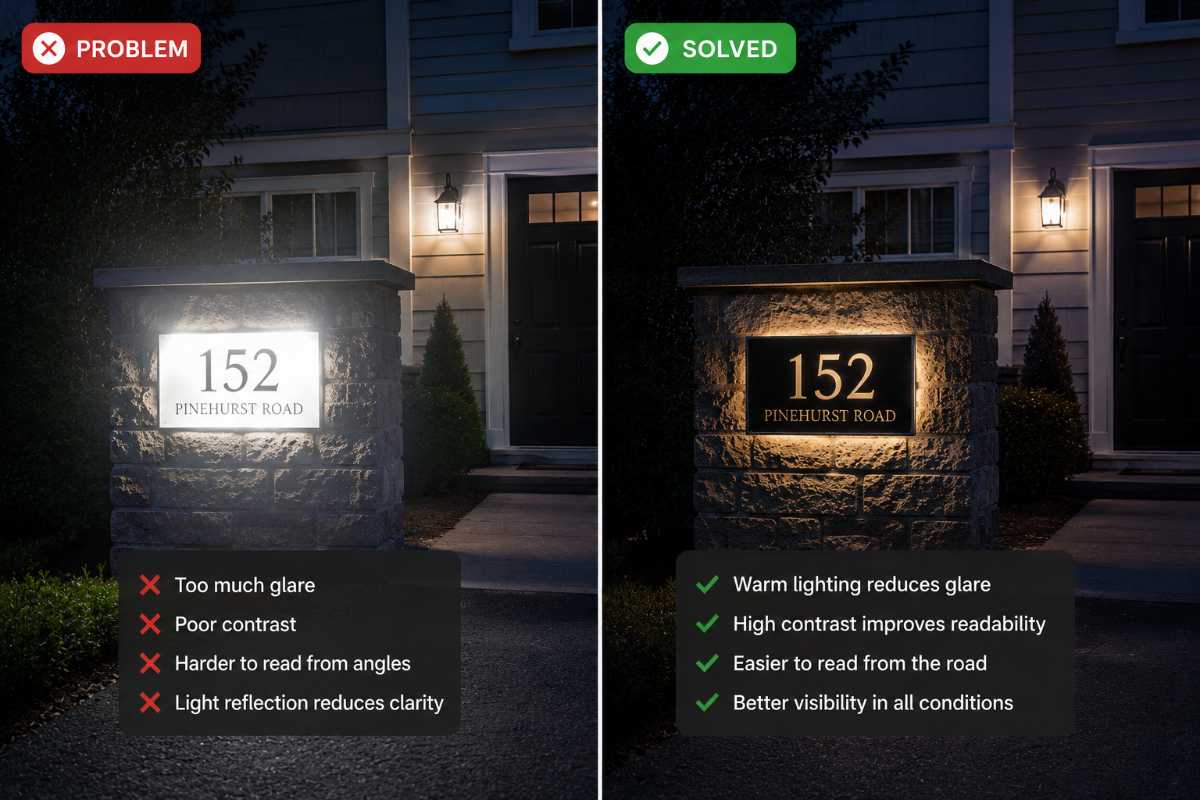
Andrew Foster picked a bright white illuminated sign for a light-colored exterior wall. The sign was bright enough, but glare made it hard to read from some angles. It also created too much reflection at night.
He switched to warmer LED lighting with a darker background for better contrast. The result was more balanced and easier to read from the road.
This shows that visibility is not just about brightness. Contrast between the background and the numbers matters just as much.
How Different Sign Styles Suit Different Homes
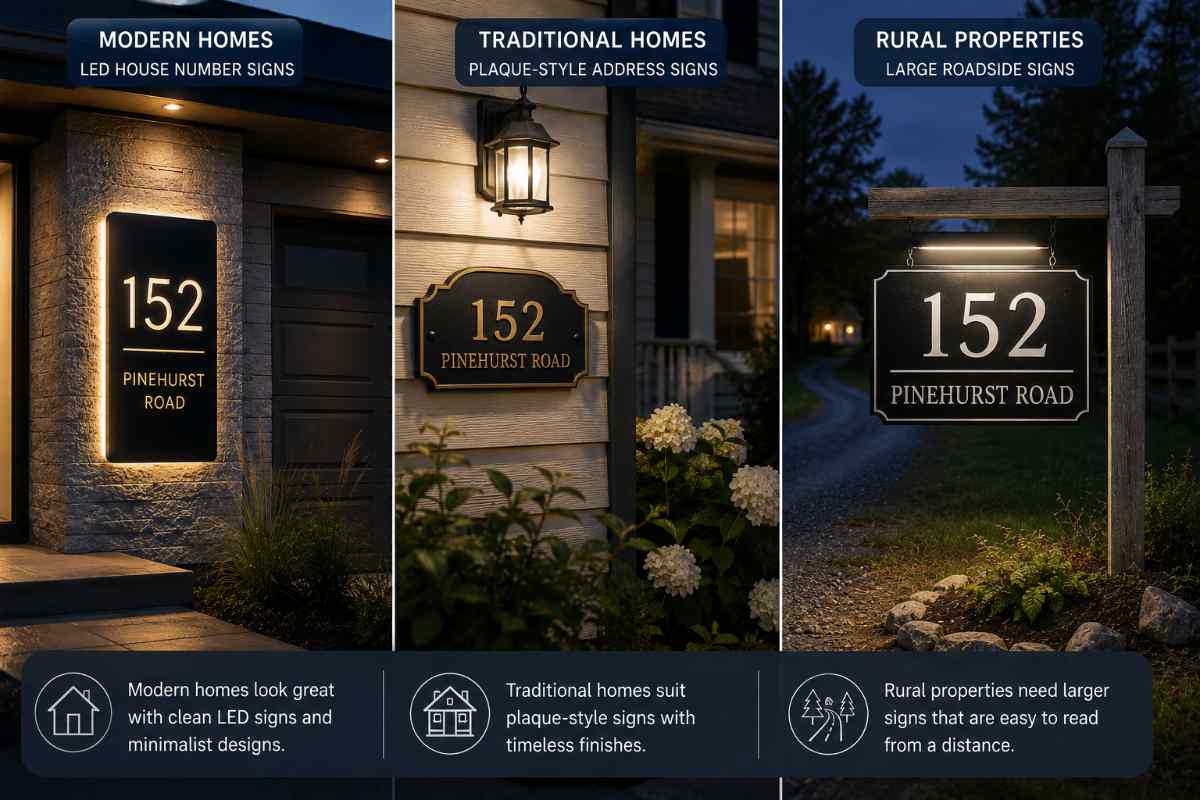
Different home styles work better with different signage.
Modern Homes Pair Well With LED Signs
Clean lines, backlit finishes, and simple designs complement newer suburban homes.
Traditional Maritime Homes Often Use Plaque-Style Signs
Address plaques with softer lighting and classic finishes blend well with older properties.
Rural Properties Benefit From Larger Roadside Signs
Rural home signs focus on readability over decoration. Larger text and brighter light help drivers find properties from farther away.
Why Homeowners Upgrade After Problems Start
Most homeowners do not shop for signs because of design trends. They decide after repeated problems like:
- Missed package deliveries
- Guests driving past the property
- Trouble finding the home on winter evenings
- Worries about emergency visibility
The best signs combine:
- Larger readable numbers
- Good roadside placement
- Durable weather-resistant materials
- Strong contrast
- Visibility for Canadian winter conditions
Small upgrades to address signs make everyday life easier for homeowners and visitors.
Comparing Types of House Number Signs
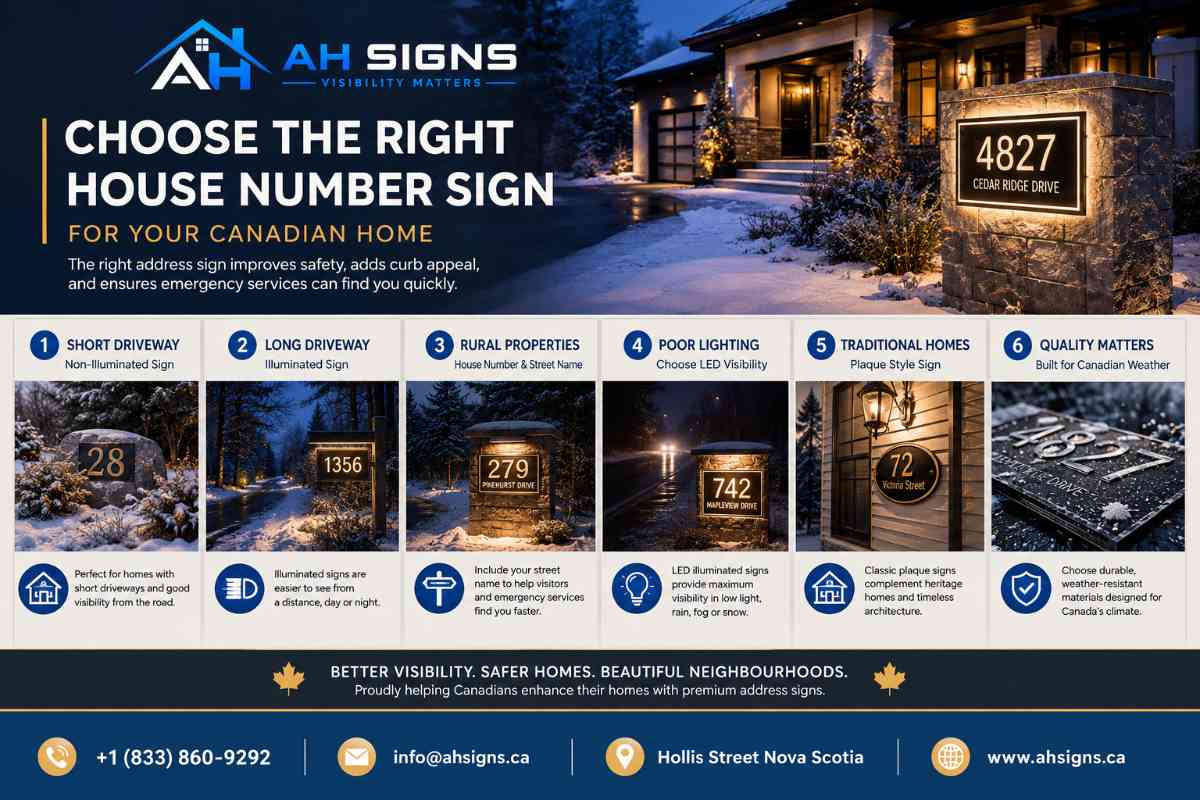
Quick Comparison: Illuminated vs Non-Illuminated
Which House Number Sign Works Best for Your Home?
Choose Non-Illuminated If:
- Your home is close to the road
- You already have good porch lighting
- You like traditional curb appeal
- Nighttime visibility is not a big concern
Choose Illuminated If:
- Your driveway is long or hard to spot
- Your property has limited outdoor lighting
- You get evening deliveries
- Winter visibility matters to you
Choose Signs With Street Names If:
- Guests often miss your property
- Your home is on rural or secondary roads
- GPS is not reliable in your area
- Multiple homes are close together
Choose Reflective or Weather-Resistant If:
- Your area has harsh winter weather
- You want low-maintenance visibility
- Roadside readability matters most
- Long-term durability is a priority
Frequently Asked Questions
What type of house number sign is best for a long driveway?
We recommend an illuminated house number sign for long driveways. The built-in LED lighting makes the numbers visible from the road even in bad weather or at night. For very long driveways, add the street name too.
How long do illuminated house number signs last?
Our LED illuminated signs last for years. The LED components have a 5-year warranty, and the sign body is built from weather-resistant materials that handle coastal and winter conditions.
Do I need an electrician to install an illuminated house number sign?
No. Our illuminated signs use a plug-in low-voltage transformer. You just mount the sign, plug it in, and it works. No electrician needed for standard installation.
What is the best material for a house number sign in Atlantic Canada?
We use powder-coated aluminum and UV-resistant acrylic. These materials handle coastal air, freeze-thaw cycles, snow, and rain without rusting or fading.
Can I order a house number sign if I am not good with computers?
Yes. Call us at +1 (833) 860-9292. We will help you pick the right sign, choose colors, and place your order over the phone. No website needed.
How do I know what size house numbers I need?
Measure the distance from the road to your home. Homes within 50 feet of the road can use 3-inch numbers. Homes 50 to 100 feet away need 4-inch numbers. For longer distances, go with 5-inch or larger.
Related Guides