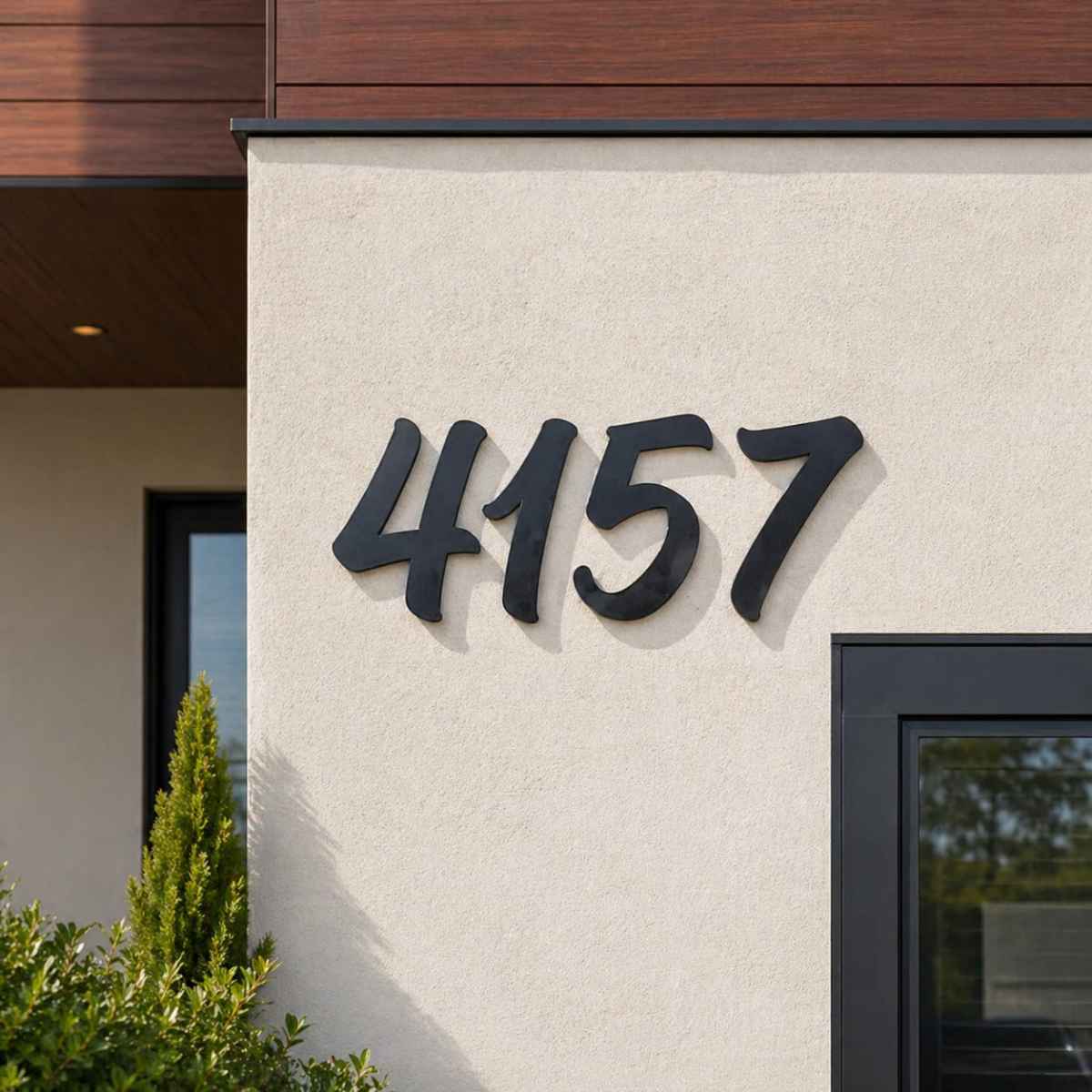
Many homeowners assume displaying their house number is optional or purely decorative. In Nova Scotia, that assumption is incorrect. Both provincial legislation and municipal bylaws require homes to display visible, legible address numbers. The same requirements are enforced under the National Fire Code of Canada, which applies across all provinces.
This guide explains exactly what is required, which bylaws apply in your municipality, and how to make sure your home is compliant.
Why Displaying Your House Number Is Legally Required
House numbers exist for one primary reason: emergency response. When someone calls 911, emergency responders need to find the property immediately. Delays caused by missing, faded, or hidden address numbers can have serious consequences in medical emergencies, fires, or security situations.
The National Fire Code of Canada (NFC) 2020, Section 2.2.1.2, states: "Every building shall be provided with a means for identification of the address in a form and location acceptable to the authority having jurisdiction."
This means address identification is not optional. Every residential and commercial building in Canada must display its civic address in a way that meets local municipal standards.
Halifax Regional Municipality (HRM) Civic Addressing Requirements
The Halifax Regional Municipality enforces its civic addressing requirements under Administrative Order 50, also known as the Civic Addressing Administrative Order. This bylaw applies to all properties within HRM boundaries, including Halifax, Dartmouth, Bedford, and surrounding Halifax County areas.
Under HRM's regulations:
- Every building must display its civic number clearly and conspicuously
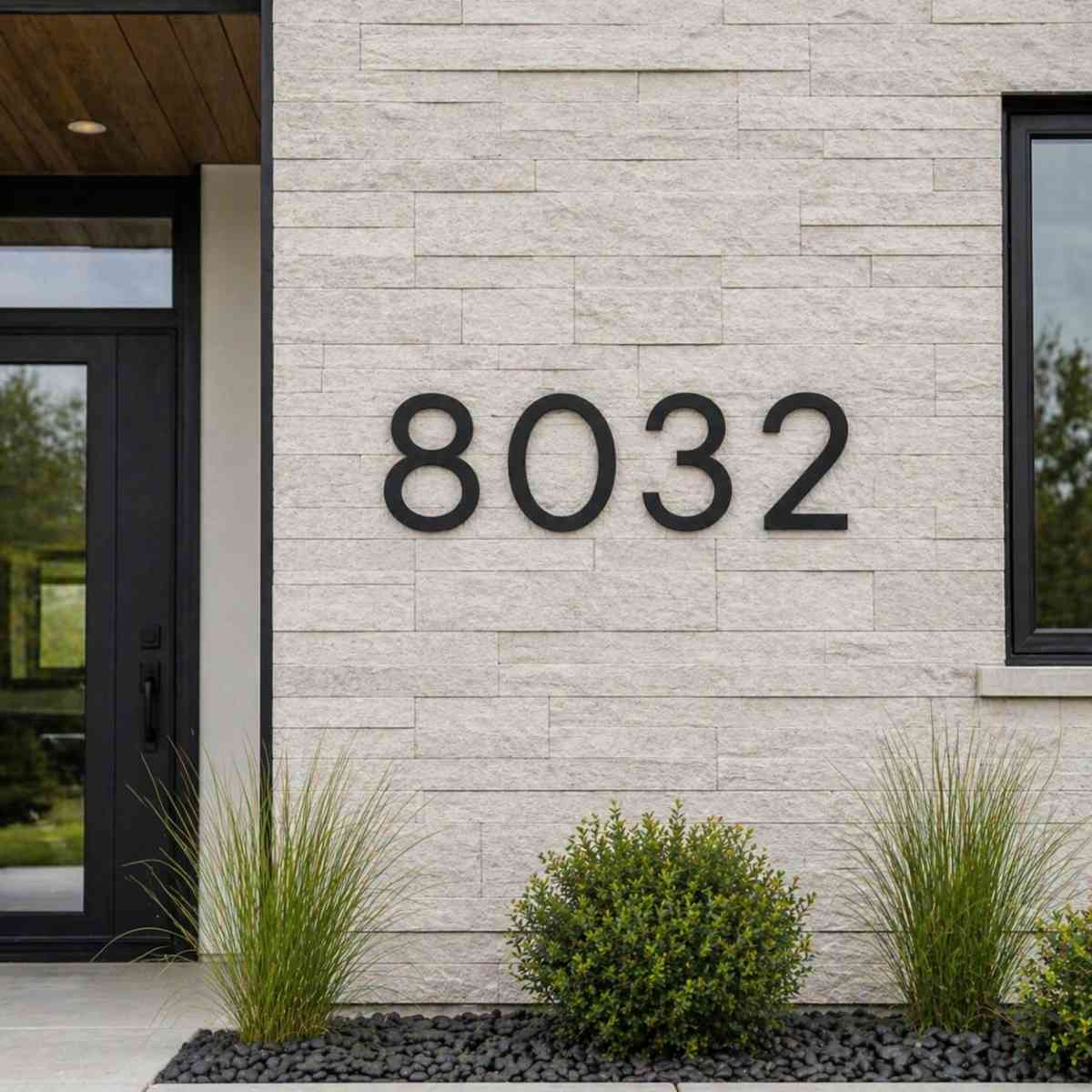
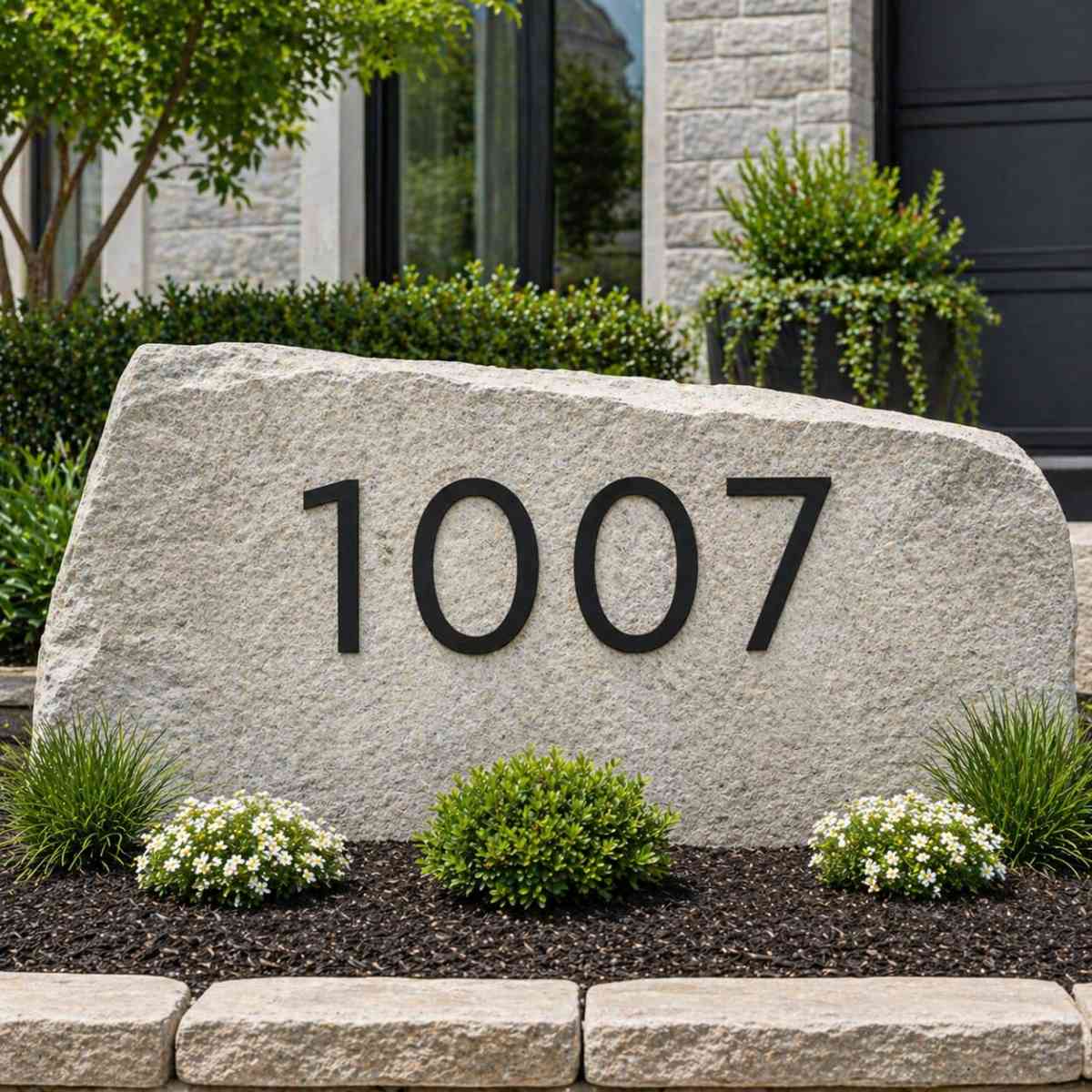
- Numbers must be a minimum of 3 inches (76 mm) in height
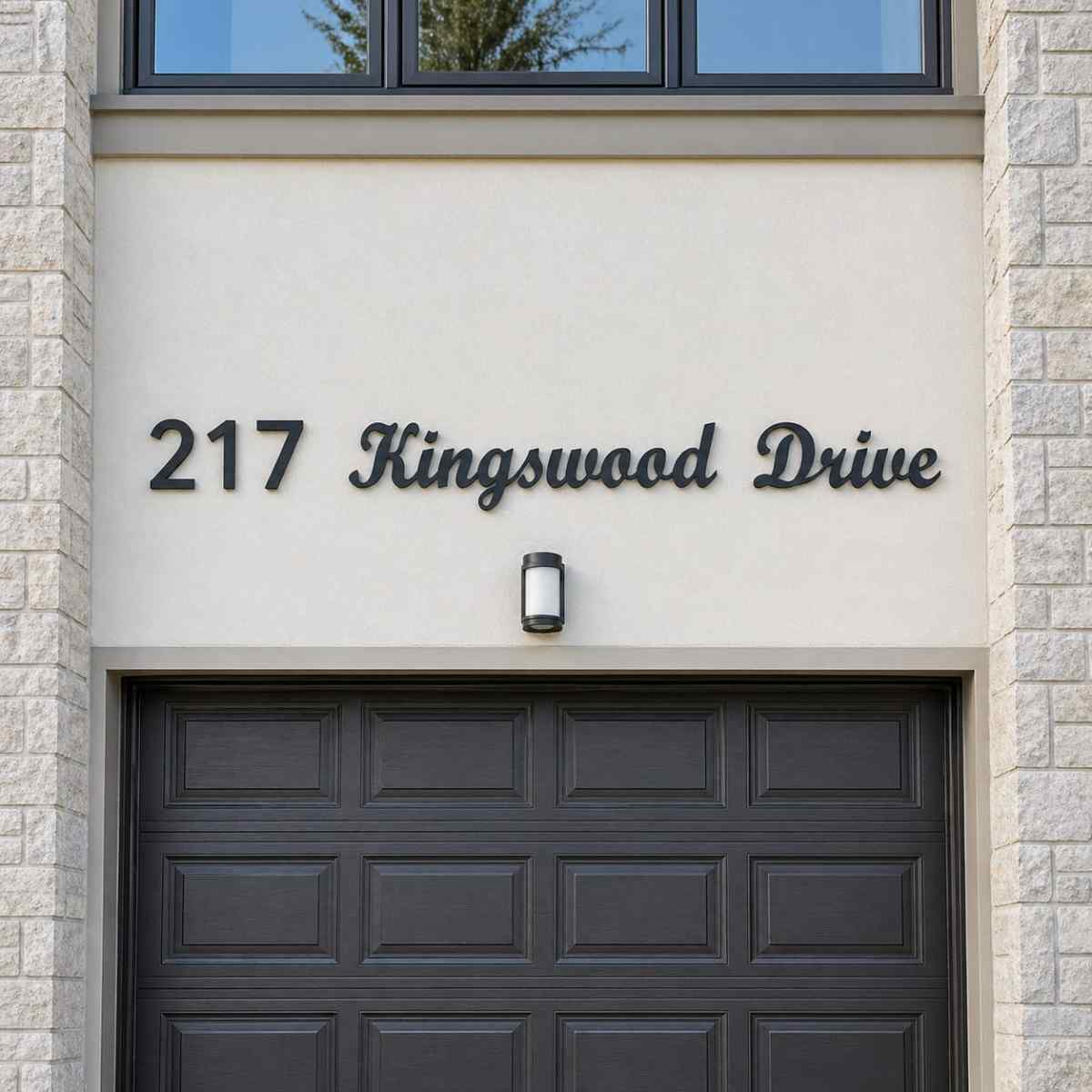
- Numbers must contrast with their background surface
- Numbers must be visible from the street or roadway serving the property
- If the building is not visible from the street, the number must be displayed at the driveway entrance or on a mailboxes
- Numbers must be maintained and kept free of obstructions such as snow, overgrown vegetation, or fading
Non-compliance can result in enforcement action by the municipality. Fire departments and emergency services also report non-compliant addresses to municipal bylaw enforcement.
Other Nova Scotia Municipalities
Most Nova Scotia municipalities follow similar requirements to HRM. Here are the key municipalities served by AH Signs and their general requirements:
Cape Breton Regional Municipality (CBRM): Requires all residential and commercial buildings to display civic numbers that are clearly visible from the street, with minimum 3-inch numbers in a contrasting color.
Truro and Colchester County: Follows the provincial land registration and civic addressing guidelines requiring "clearly visible and legible" address numbers from the roadway.
Amherst and Cumberland County: Municipal addressing bylaws require address numbers to be displayed at the front of the property or at the driveway entrance, visible from the municipal road allowance.
Oxford: As a town within Cumberland County, Oxford follows the county's civic addressing requirements for visible, maintained address identification.
While specific enforcement varies by municipality, the fundamental requirement is consistent across the province: your building must have visible address numbers that can be read from the street.
What Happens If You Don't Display House Numbers
If your property is found to be non-compliant during an inspection, fire safety audit, or emergency response call, several outcomes are possible:
- A written notice from municipal bylaw enforcement requiring corrective action within a set timeframe
- Fines for continued non-compliance in some municipalities
- Difficulty receiving deliveries and services
- Potential liability concerns if emergency services are delayed
The most common consequence is simply that emergency responders cannot find your home quickly. This is not a legal penalty, but the safety risk alone is significant enough that most homeowners want to ensure compliance.
National Fire Code Requirements for Address Visibility
The National Fire Code of Canada (NFC) requirements are enforced by provincial fire marshals and local fire departments. Key requirements include:
- Address numbers must be Arabic numerals or alphabetical characters
- Numbers must be a minimum of 100 mm (approximately 4 inches) in height in some jurisdictions, while others accept 3 inches (76 mm)
- Numbers must be mounted in a position that is unobstructed and visible from the street
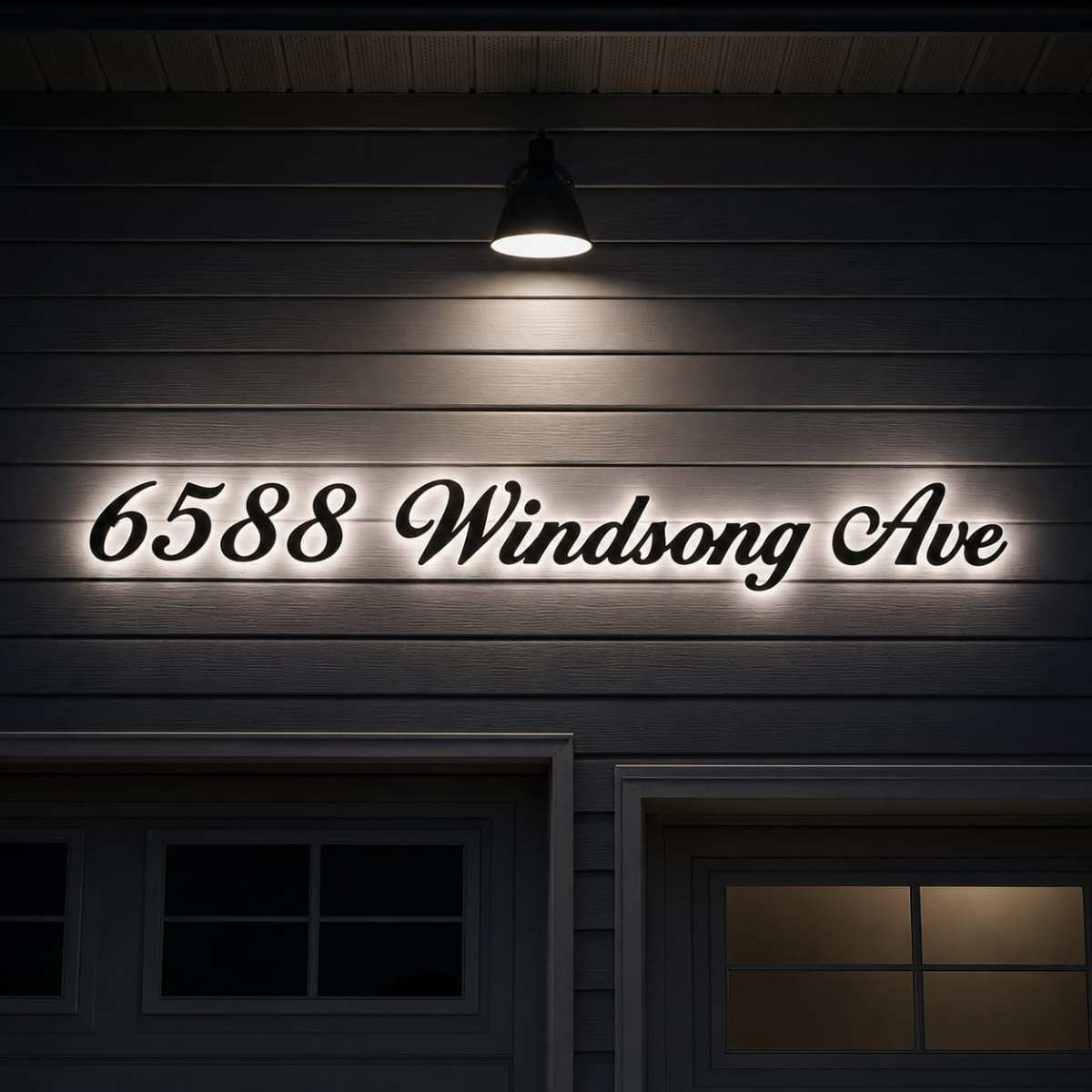
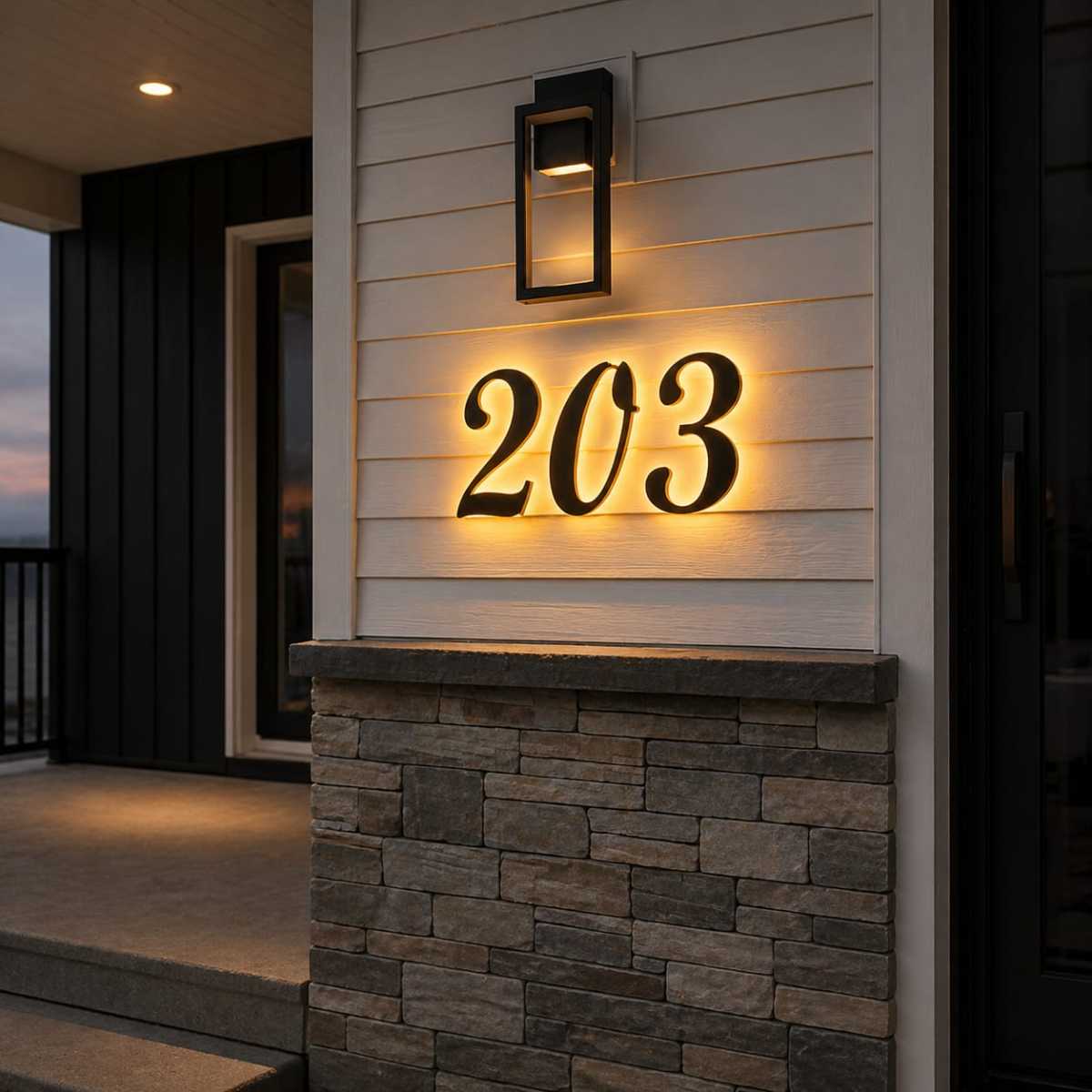
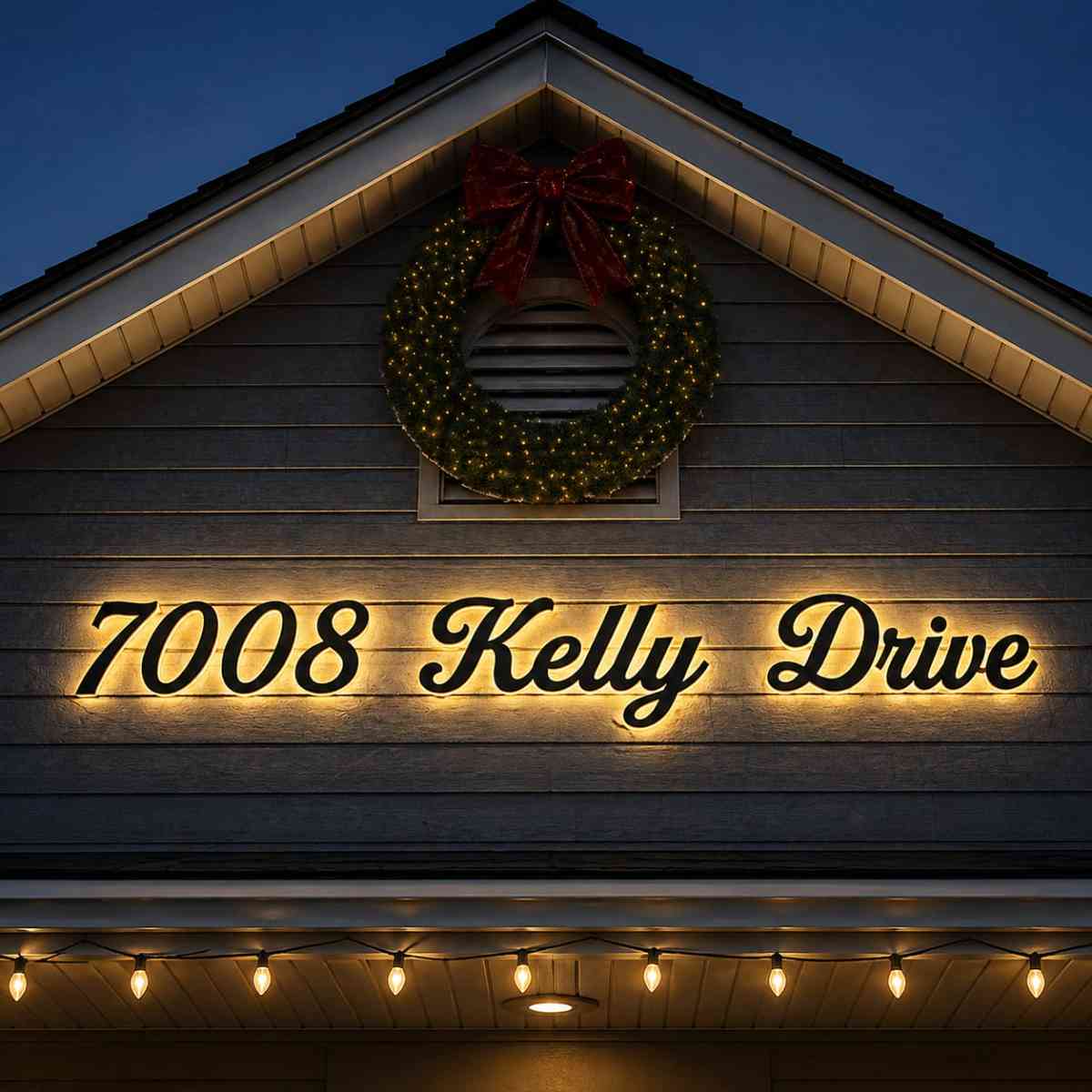
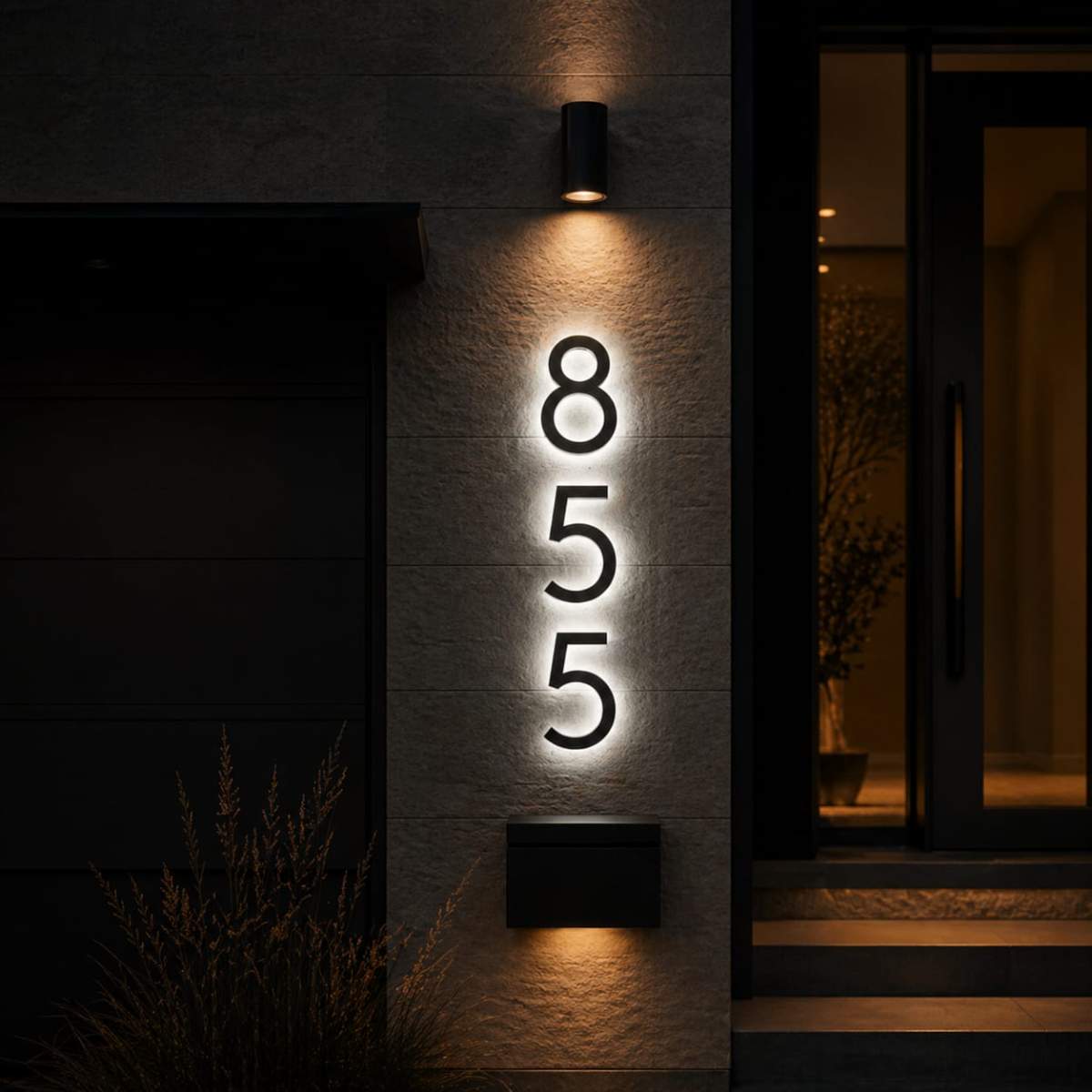
- Illuminated or reflective numbers are recommended for nighttime visibility
- Numbers must be maintained in good condition at all times
Fire departments across Nova Scotia conduct inspections and can issue orders requiring property owners to install or upgrade address signage.
Practical Guidance for Meeting Requirements
To ensure your home meets Nova Scotia's house number requirements:
Choose the right size. Minimum 3 inches (76 mm) is required in most Nova Scotia municipalities. For homes farther from the road, consider 4-inch or larger numbers for clear visibility.
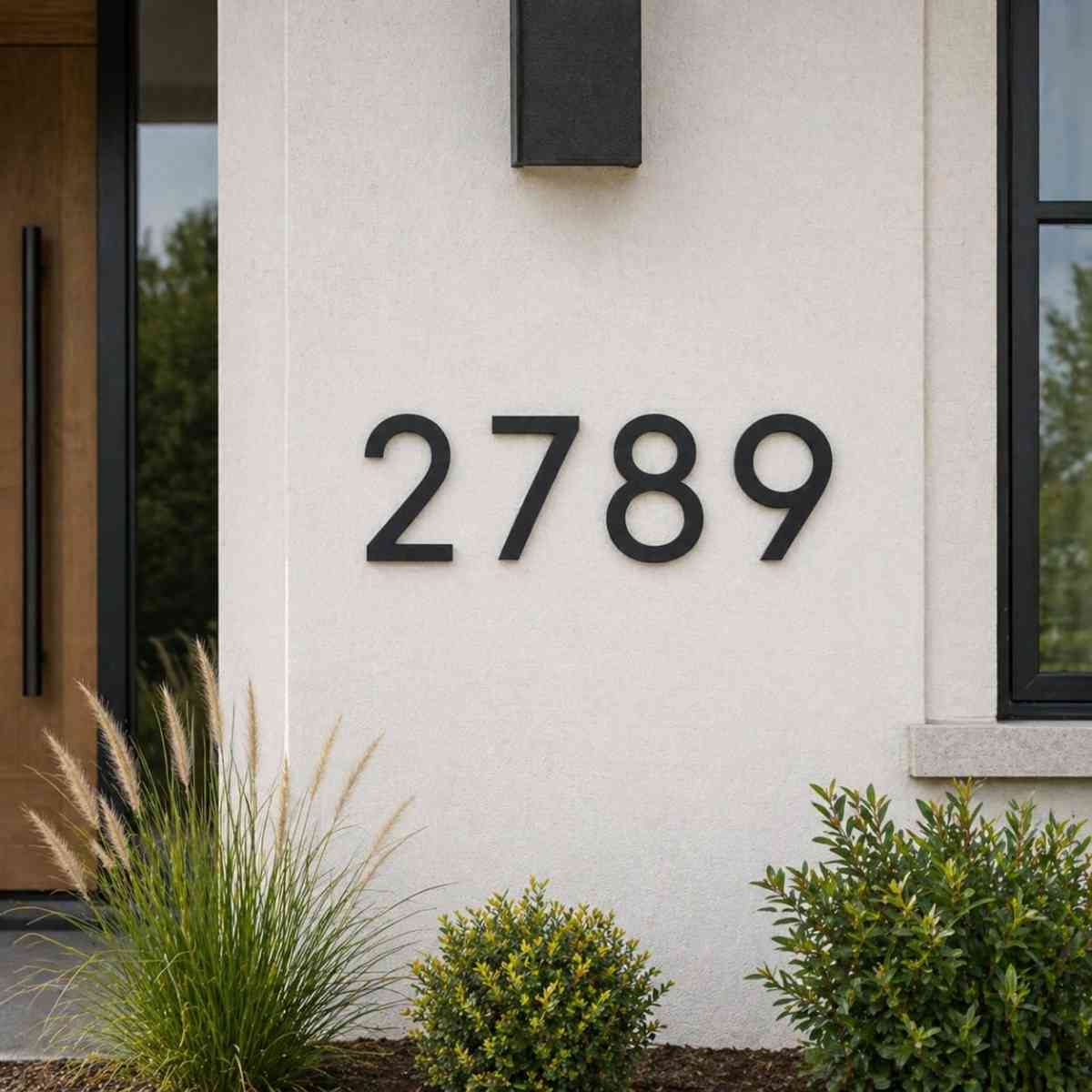
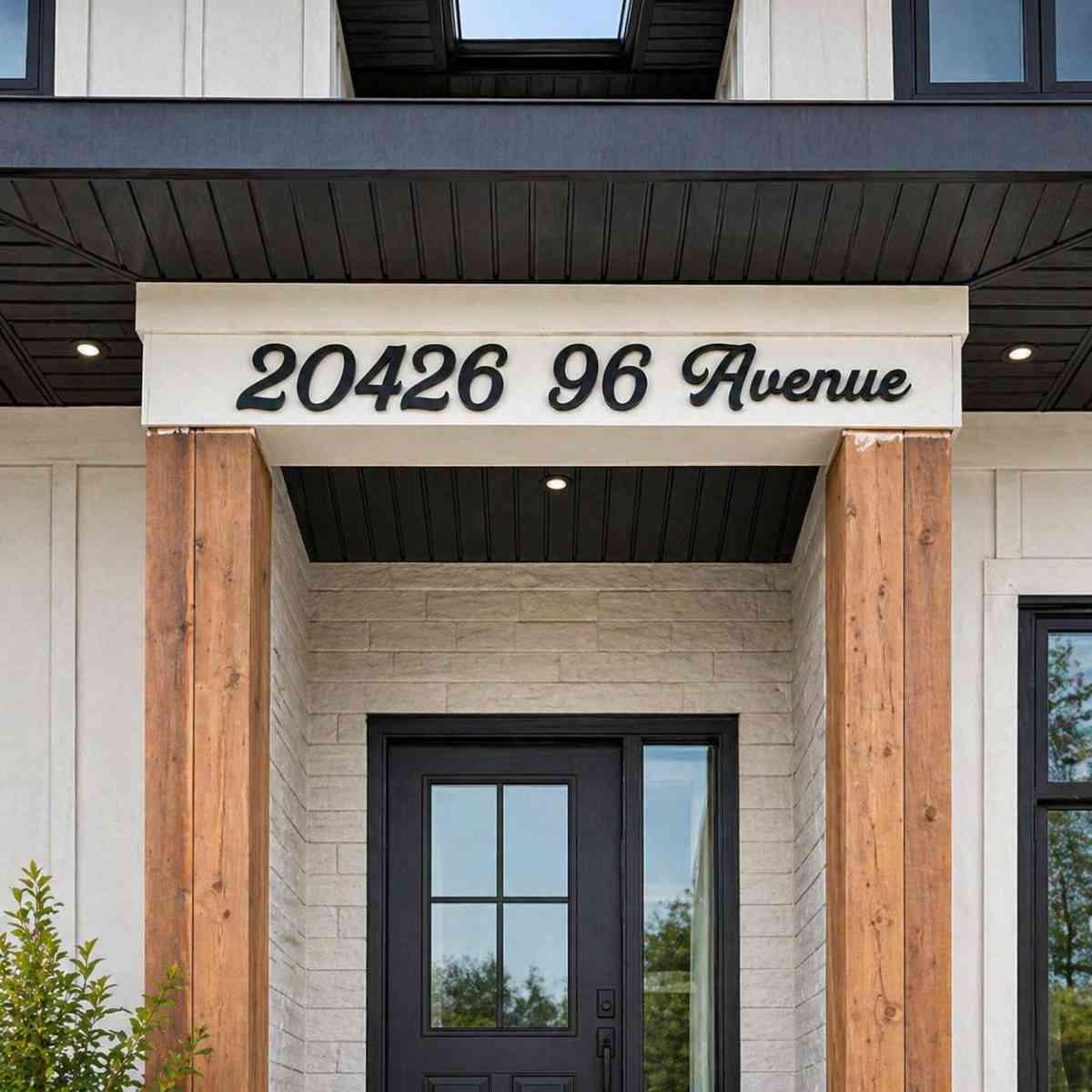
Ensure sufficient contrast. Dark numbers on a light background or light numbers on a dark background provide the best visibility. Avoid colors that blend into your siding or trim.
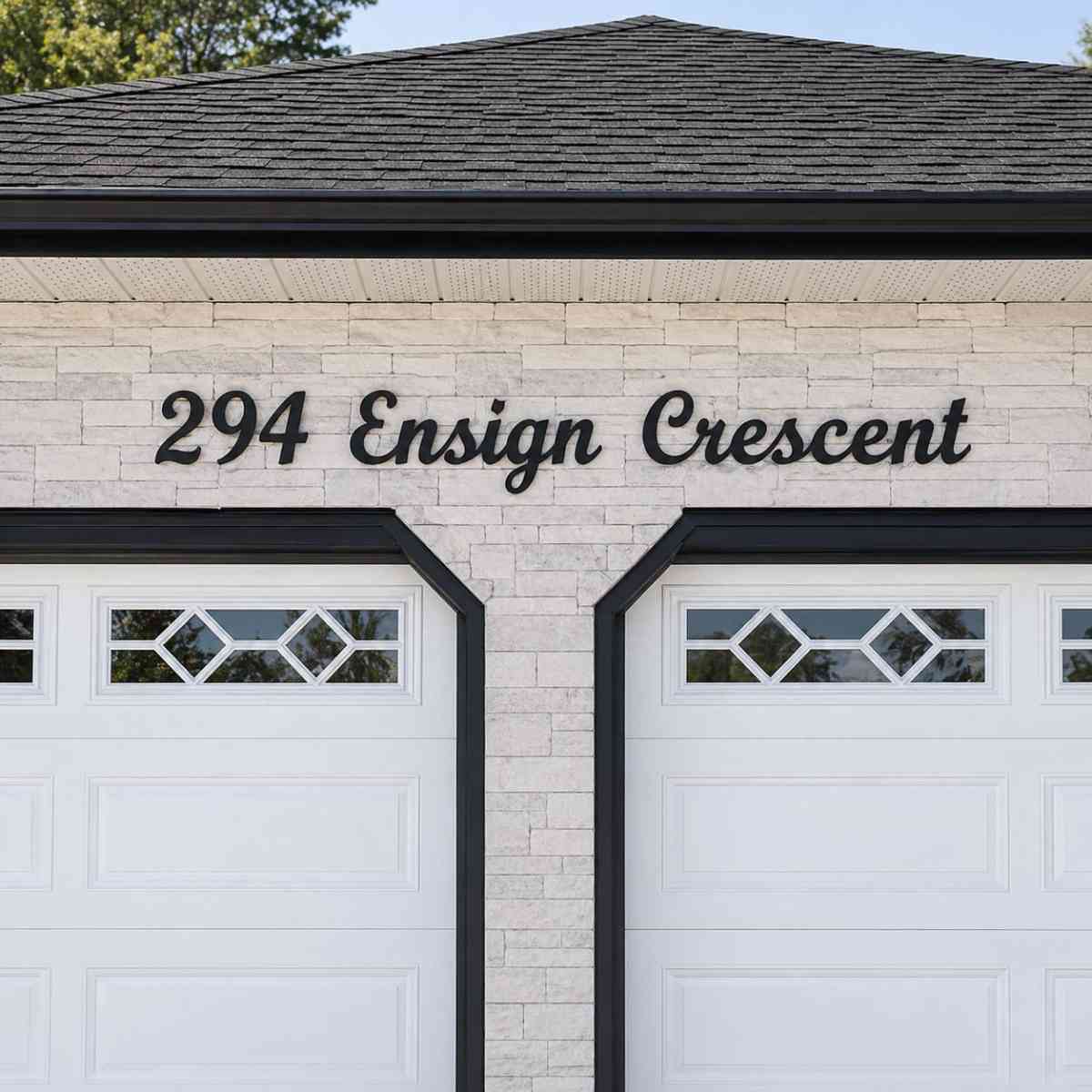
Install at the right height. Mount numbers at a height where they are visible from the street without being blocked by vehicles, landscaping, or snow accumulation. A height of 4 to 6 feet above ground level is standard.
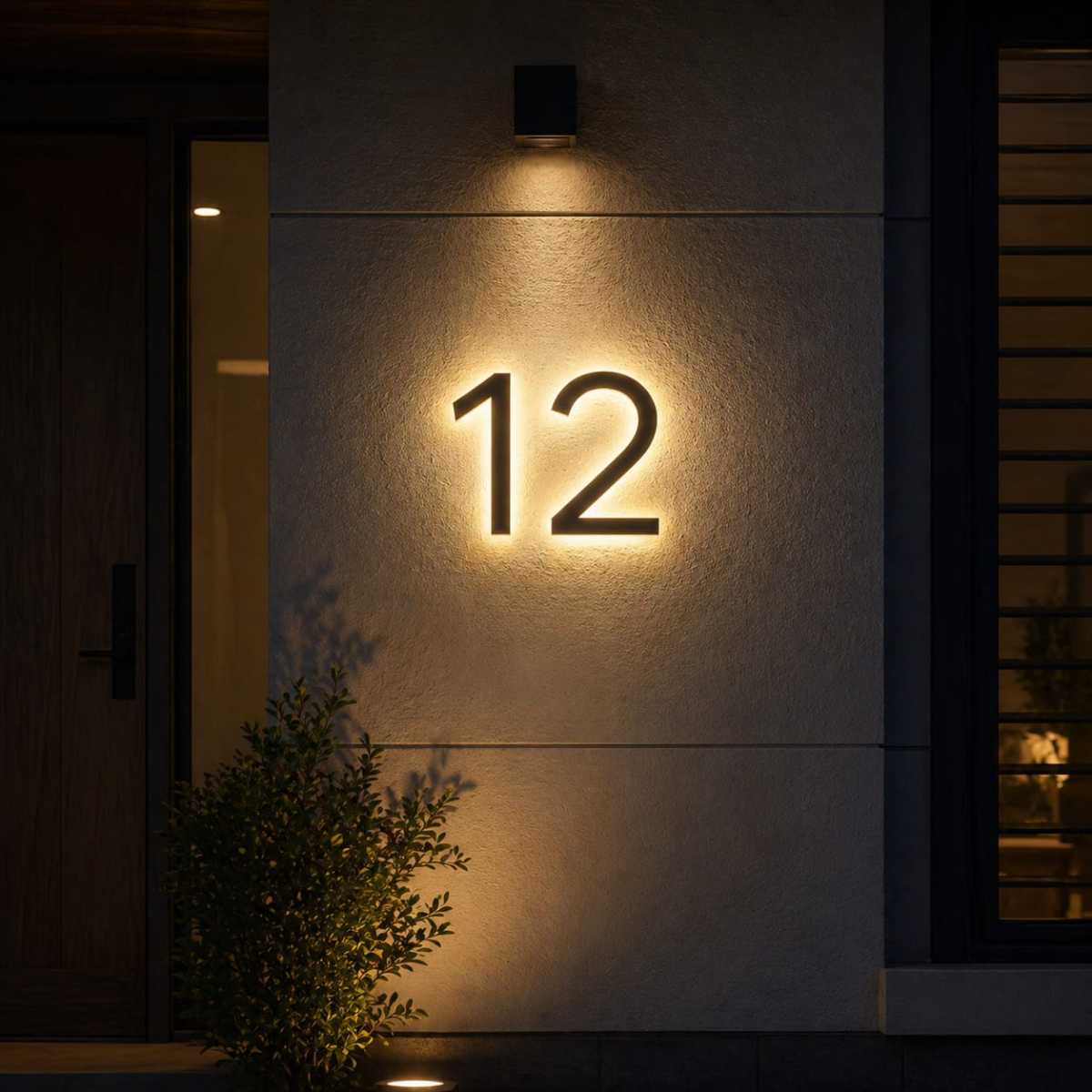
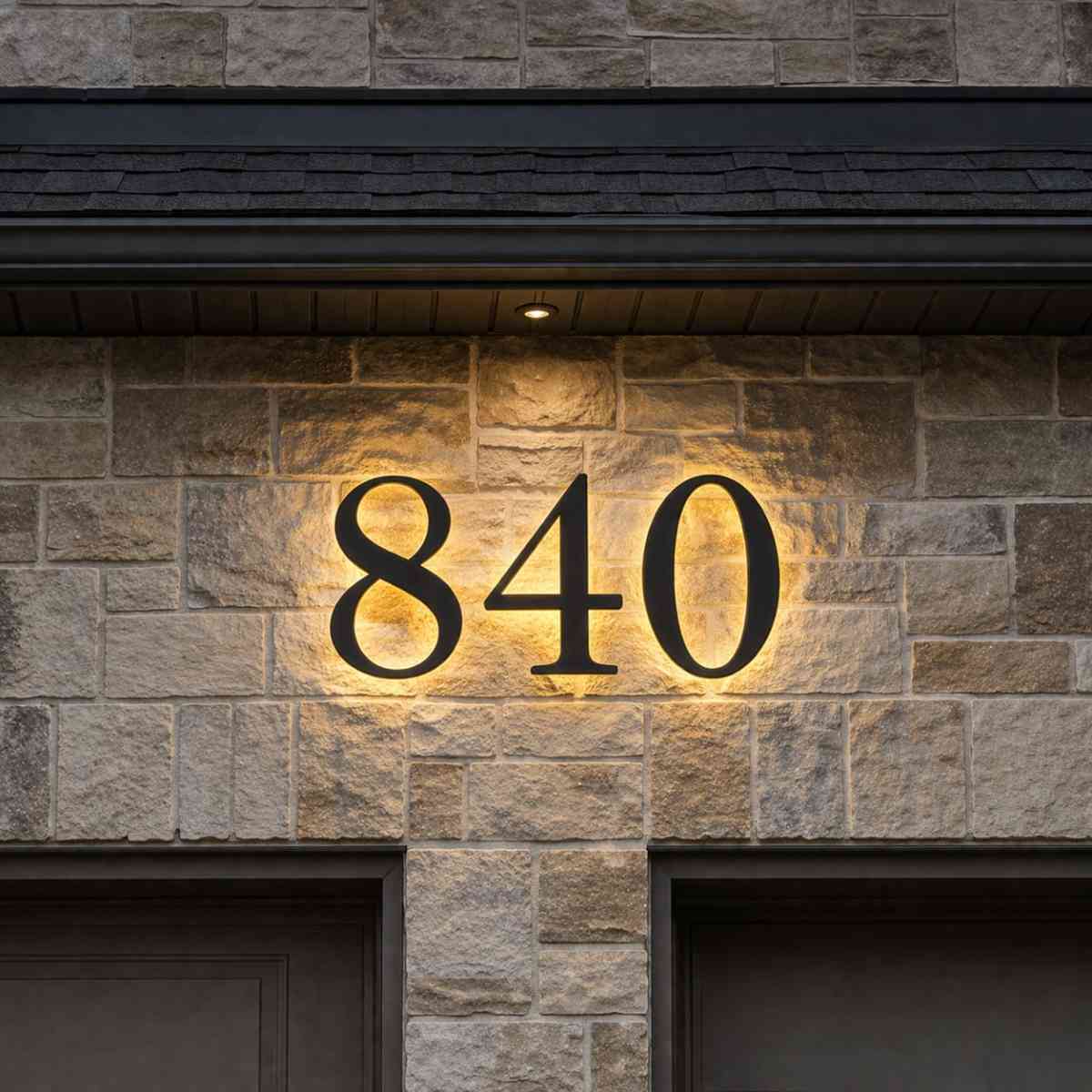
Consider illumination. While not always required by bylaw, illuminated address signs ensure visibility at night and during poor weather. Reflective numbers are another option that meets code requirements without electrical installation.
Keep numbers maintained. Repaint or replace faded numbers. Clear snow, branches, and overgrown vegetation away from your address sign regularly.
Mount at the driveway entrance for deeper properties. If your home is set far back from the road, mount your address numbers at the driveway entrance where they can be seen from the street.
Frequently Asked Questions
Is it illegal to not have house numbers in Nova Scotia?
Yes. Both the National Fire Code of Canada and most Nova Scotia municipal bylaws require buildings to display their civic address in a visible manner. Non-compliance can result in enforcement action.
What size do house numbers need to be in Nova Scotia?
The minimum size is typically 3 inches (76 mm) in height. Some municipalities and fire code interpretations require 4 inches (100 mm). For properties set back from the road, larger numbers are recommended for adequate visibility.
Do I need an illuminated house number to be compliant?
Illumination is not explicitly required in most municipal bylaws, but the National Fire Code requires numbers to be visible. If your home cannot be easily read at night under existing street lighting, illuminated or reflective numbers may be necessary for compliance.
Does the fire department enforce house number requirements?
Yes. Fire departments across Nova Scotia report non-compliant addresses to municipal bylaw enforcement. During fire safety inspections, visible address identification is a standard check.
Where should I place my house numbers to meet code?
Numbers must be visible from the street or roadway serving the property. If your home is visible from the road, mount numbers on the front of the building near the main entrance. If the building is not visible from the road, numbers must be displayed at the driveway entrance.
Related Guides
Ready to Get Code-Compliant?
If you are not sure whether your current house numbers meet Nova Scotia's legal requirements, we can help. Our team can advise on the right size, placement, and type of signage for your property. Contact us for a free quote, or use our online design tool to create a compliant address sign today.