Choosing the right size for your house numbers is one of the most important decisions you will make. Numbers that are too small will be difficult to read from the road. Numbers that are unnecessarily large may look out of proportion on your home. This guide helps you find the right balance for your specific property.
How Distance Affects Readability
The farther your home sits from the road, the larger your numbers need to be. This relationship between distance and size is well established in signage design and civic addressing guidelines.
Here is a practical guide for choosing the right number height based on your property's distance from the street:
0 to 50 feet from the road (typical suburban homes): 3-inch numbers are sufficient. Most homes in standard subdivisions with short front lawns can use 3-inch numbers comfortably.
50 to 100 feet from the road (deeper lots, some rural properties): 4-inch numbers are recommended. The extra height ensures readability from a moderate distance without appearing oversized on the building.
100 to 150 feet from the road (long driveways, rural properties): 5-inch to 6-inch numbers are ideal. At this distance, standard-sized numbers become difficult to read, especially at night or in poor weather.
150+ feet from the road (farm properties, estate lots): 6-inch or larger numbers are recommended. For very long driveways, illuminated signs with larger text provide the best visibility.
Minimum Legal Requirements
Most Nova Scotia and New Brunswick municipalities require a minimum number height of 3 inches (76 mm). Some jurisdictions, such as Fredericton, require 4 inches (100 mm). These are minimums, not recommendations. If your property is farther from the road than average, you should exceed the minimum.
The National Fire Code of Canada recommends address identification that is "clearly legible from the street," which may require larger numbers for homes set farther back.
Why Size Alone Is Not Enough
Even the largest numbers will be difficult to read if other factors are not addressed:
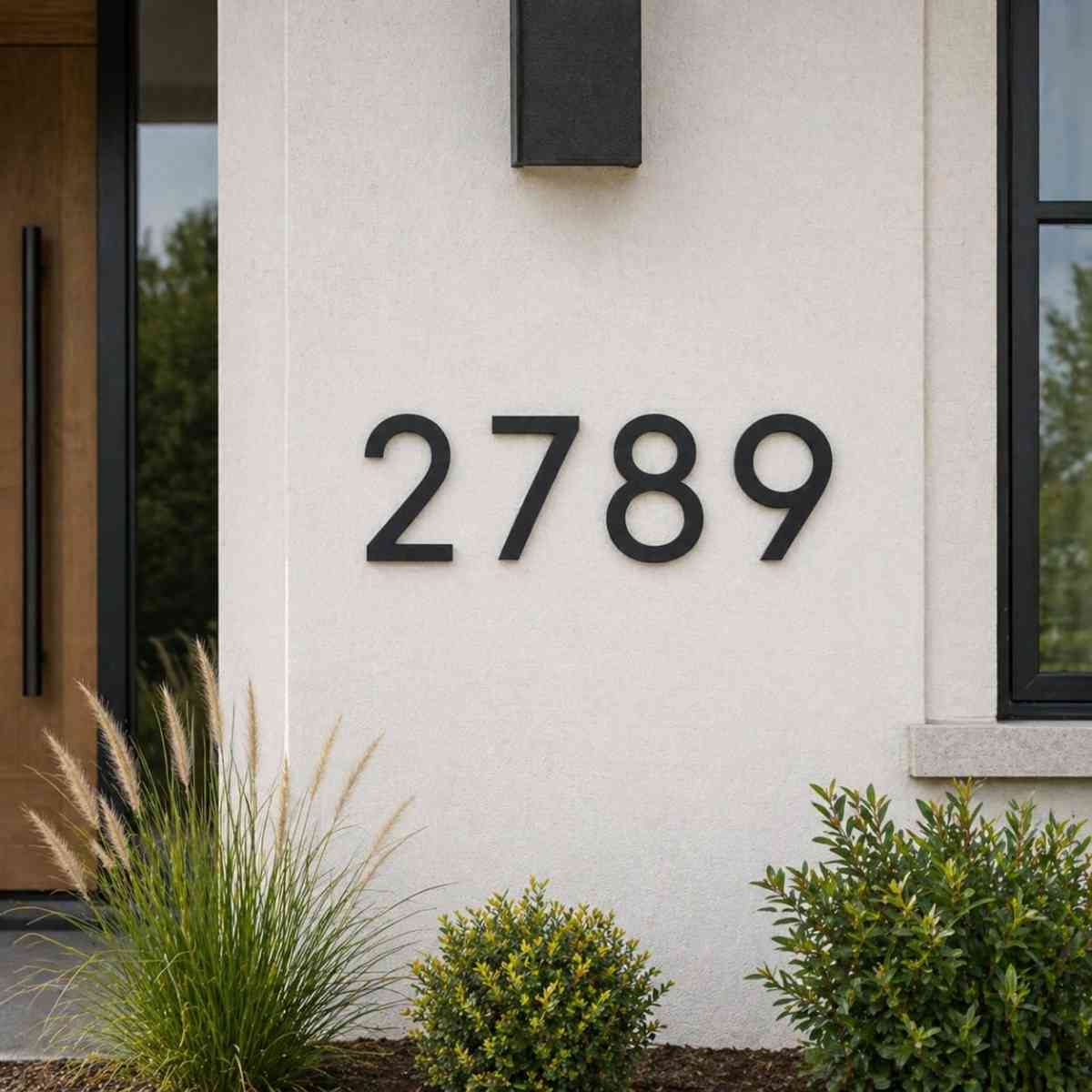
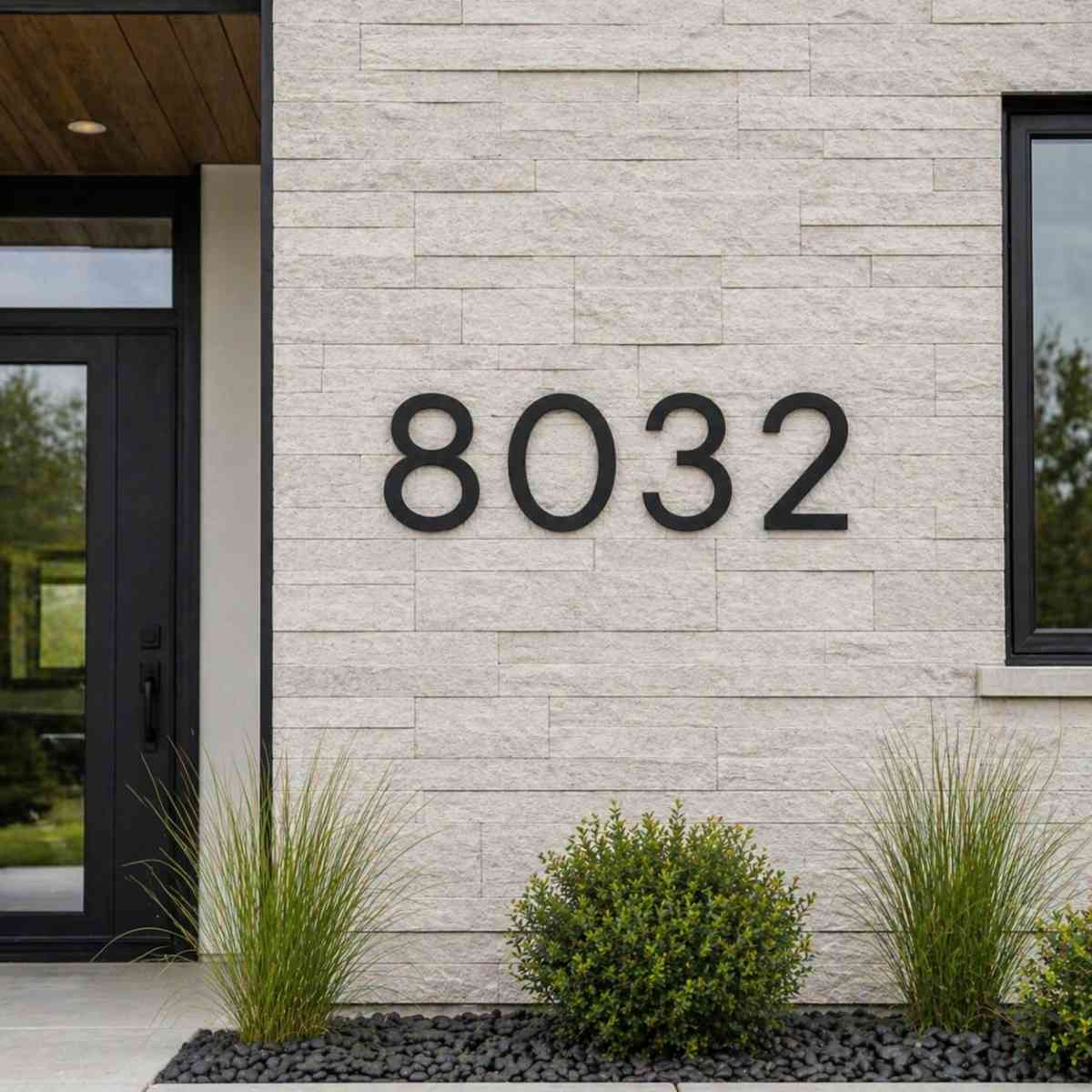
Contrast. A 6-inch number in a color that blends into the background will be harder to read than a 3-inch number with strong contrast. Light numbers on dark backgrounds and dark numbers on light backgrounds provide the best readability.
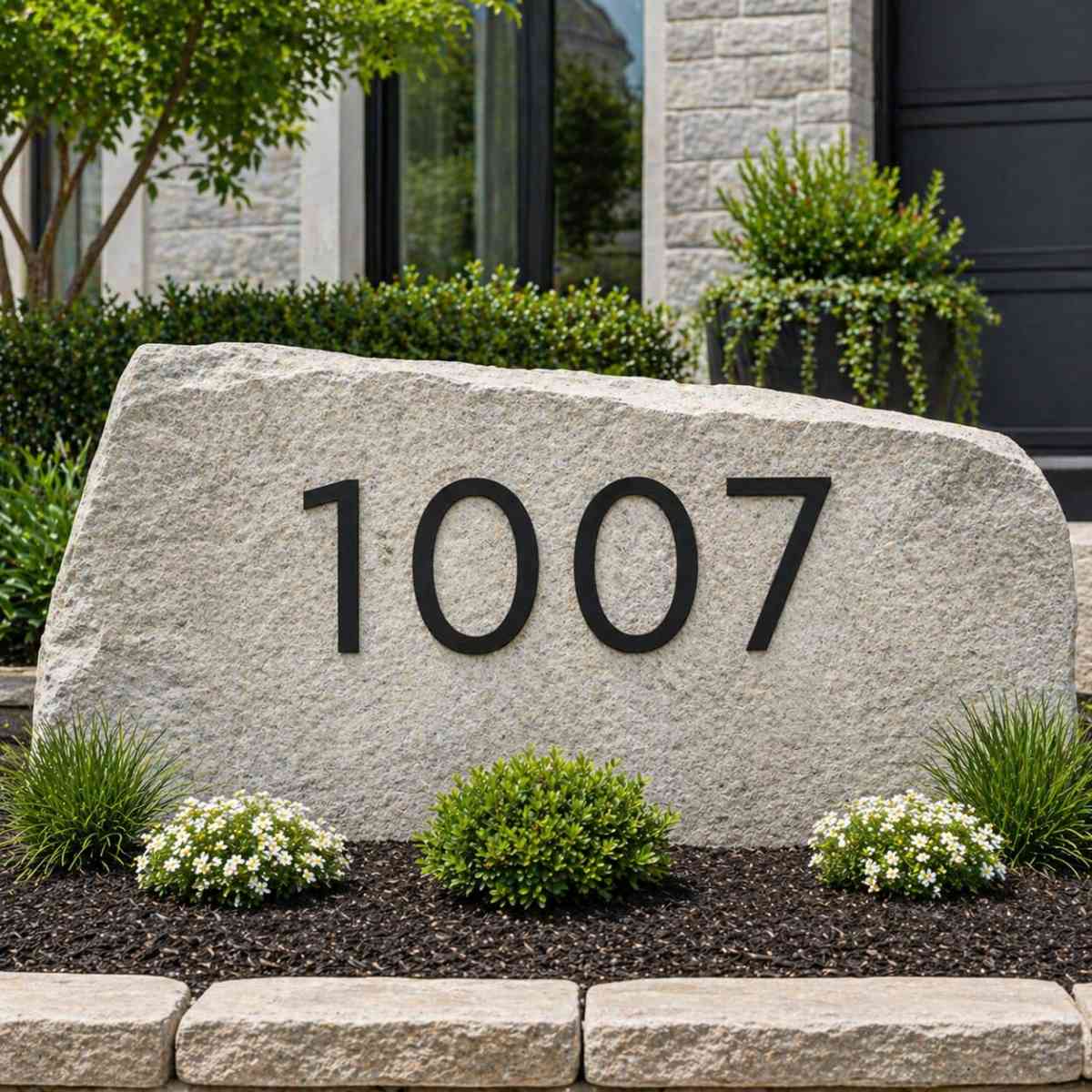
Placement. Numbers mounted at eye level near the main entrance are easier to read than numbers placed near the ground or hidden behind porch features. For homes set back from the road, mounting numbers at the driveway entrance may be more effective than mounting them on the house.
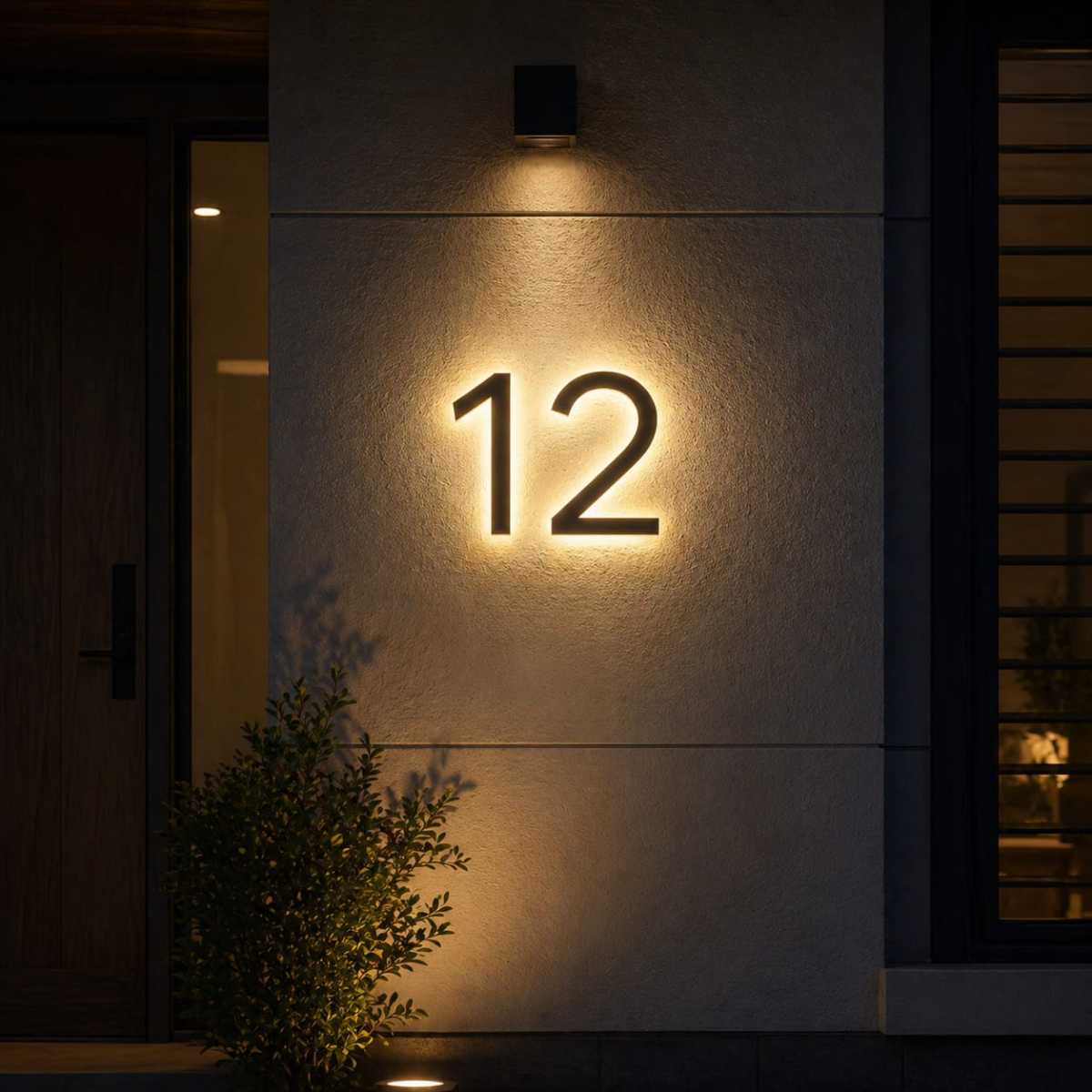
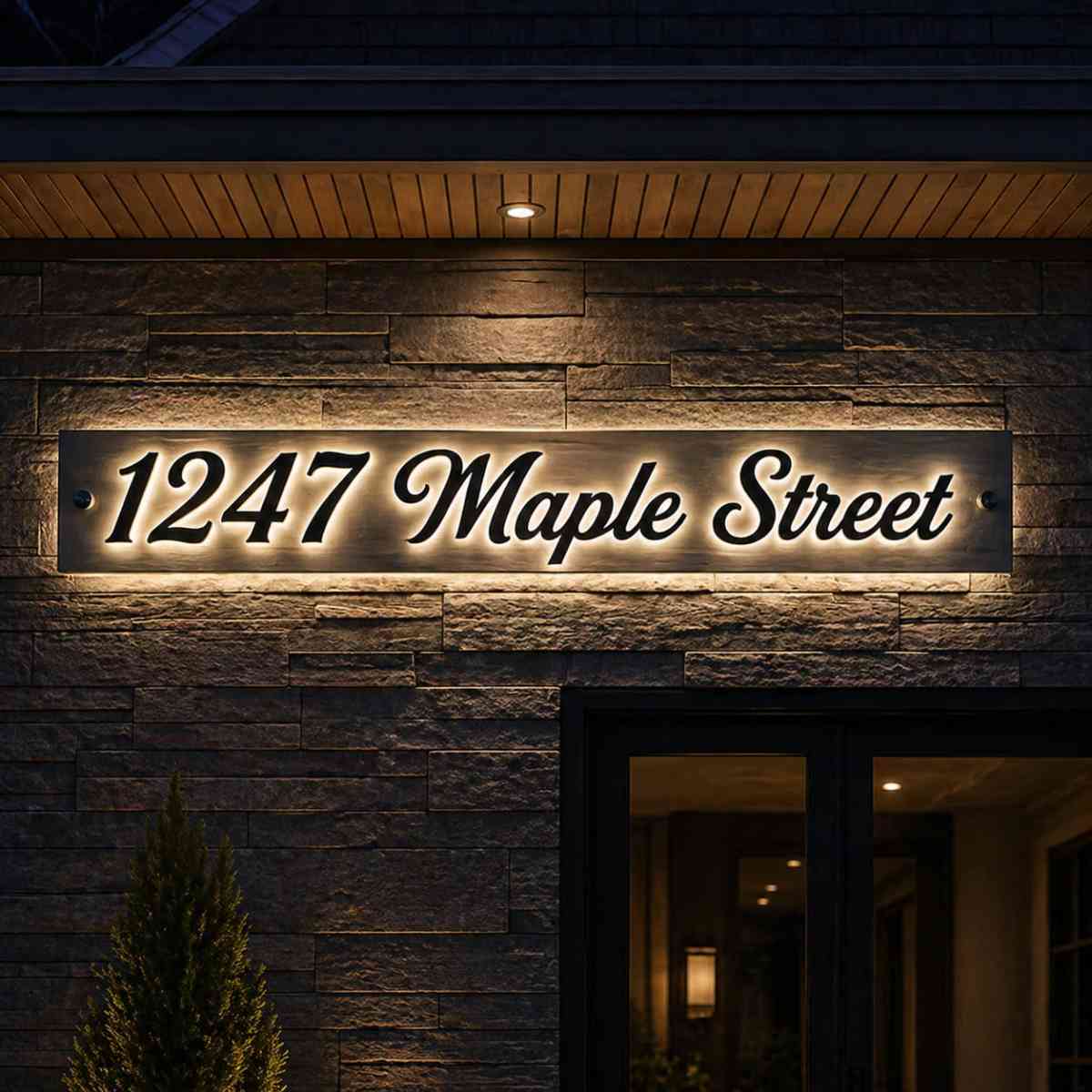
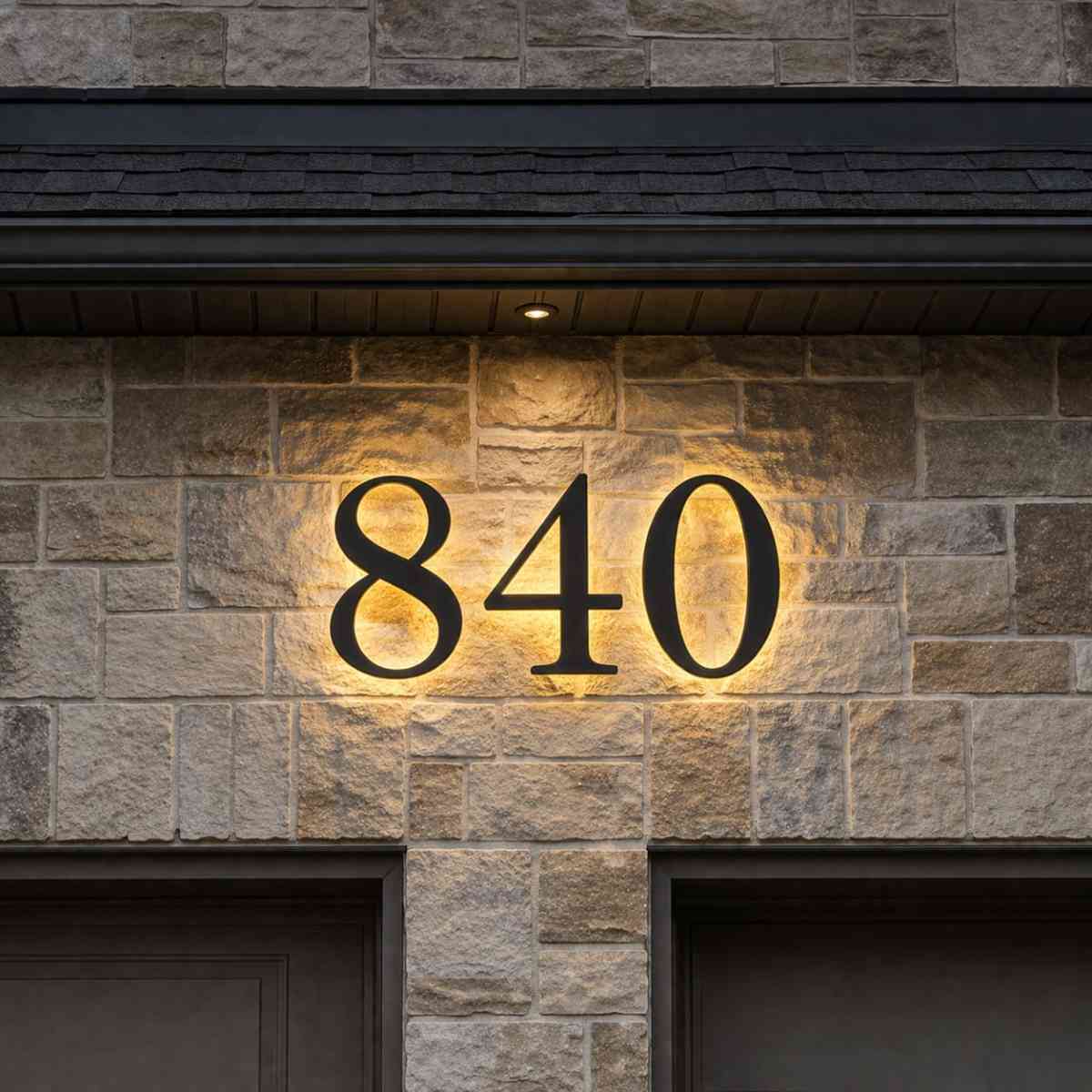
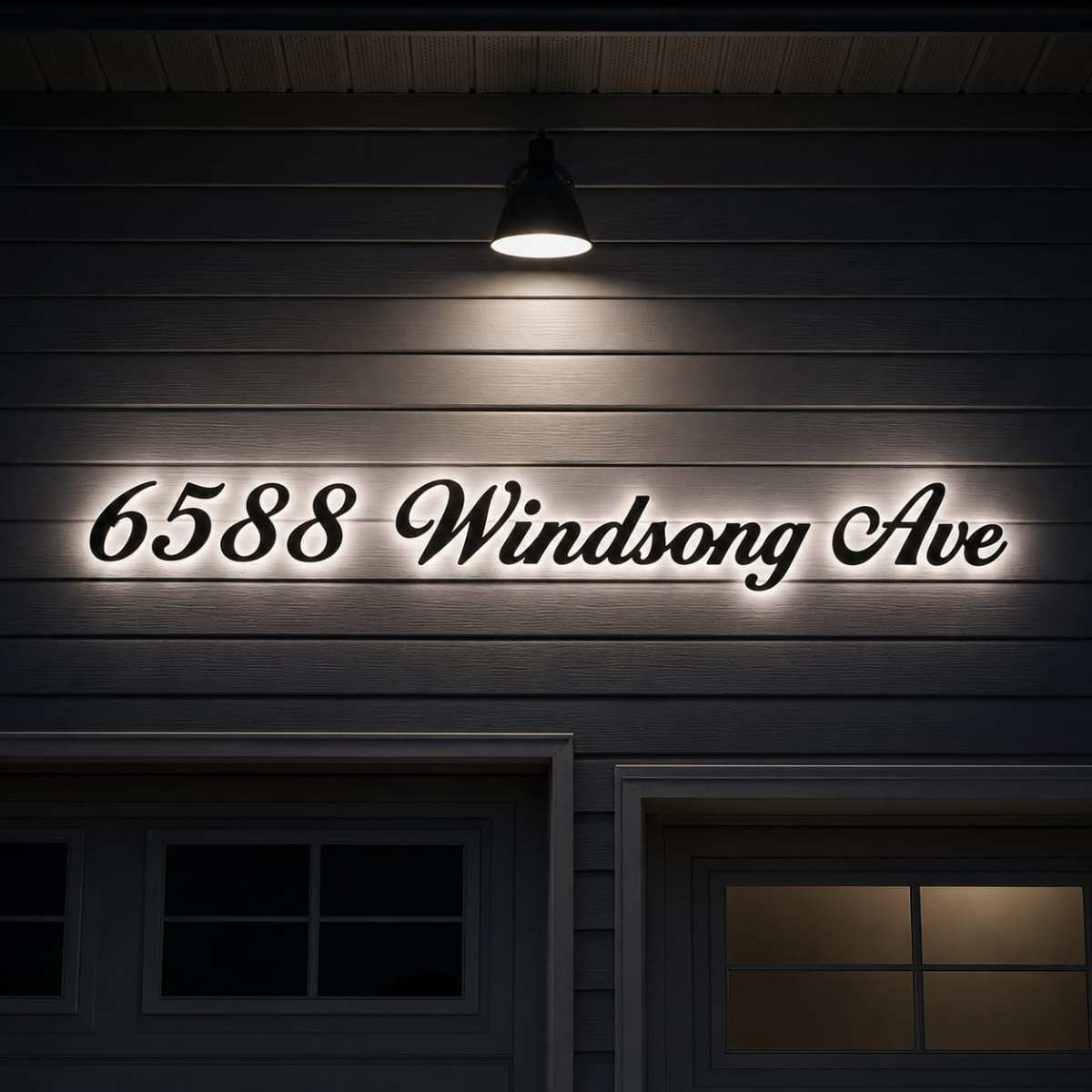
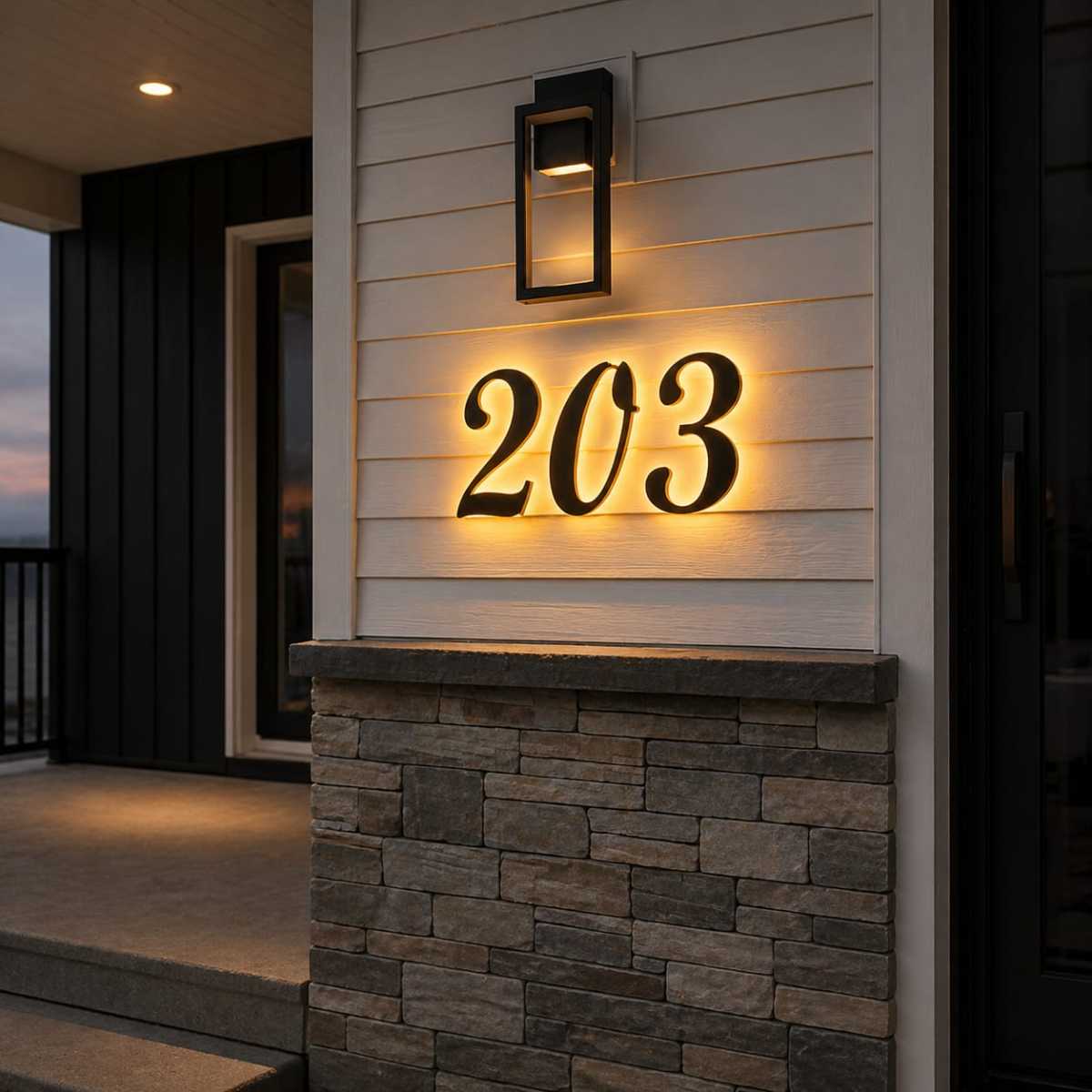
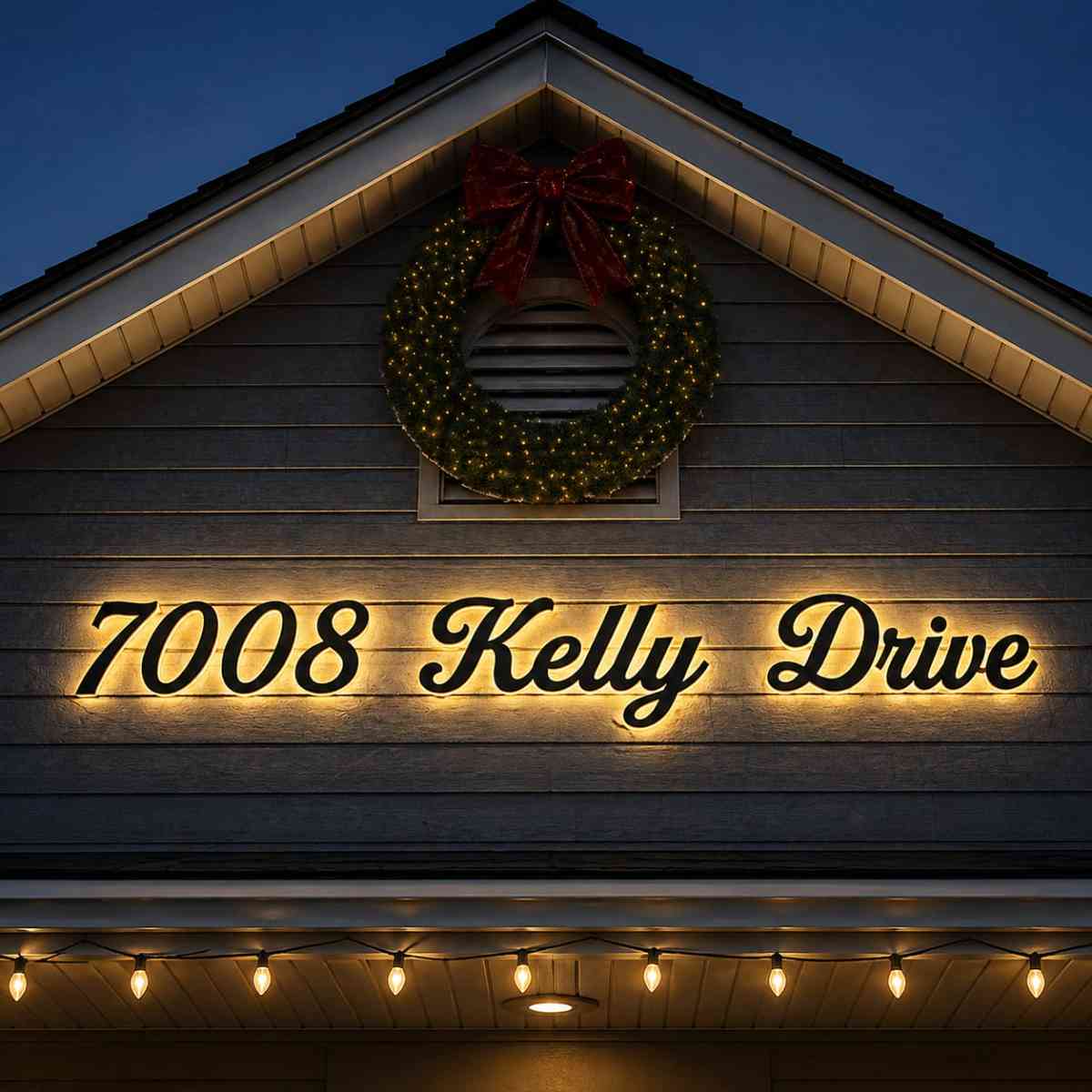
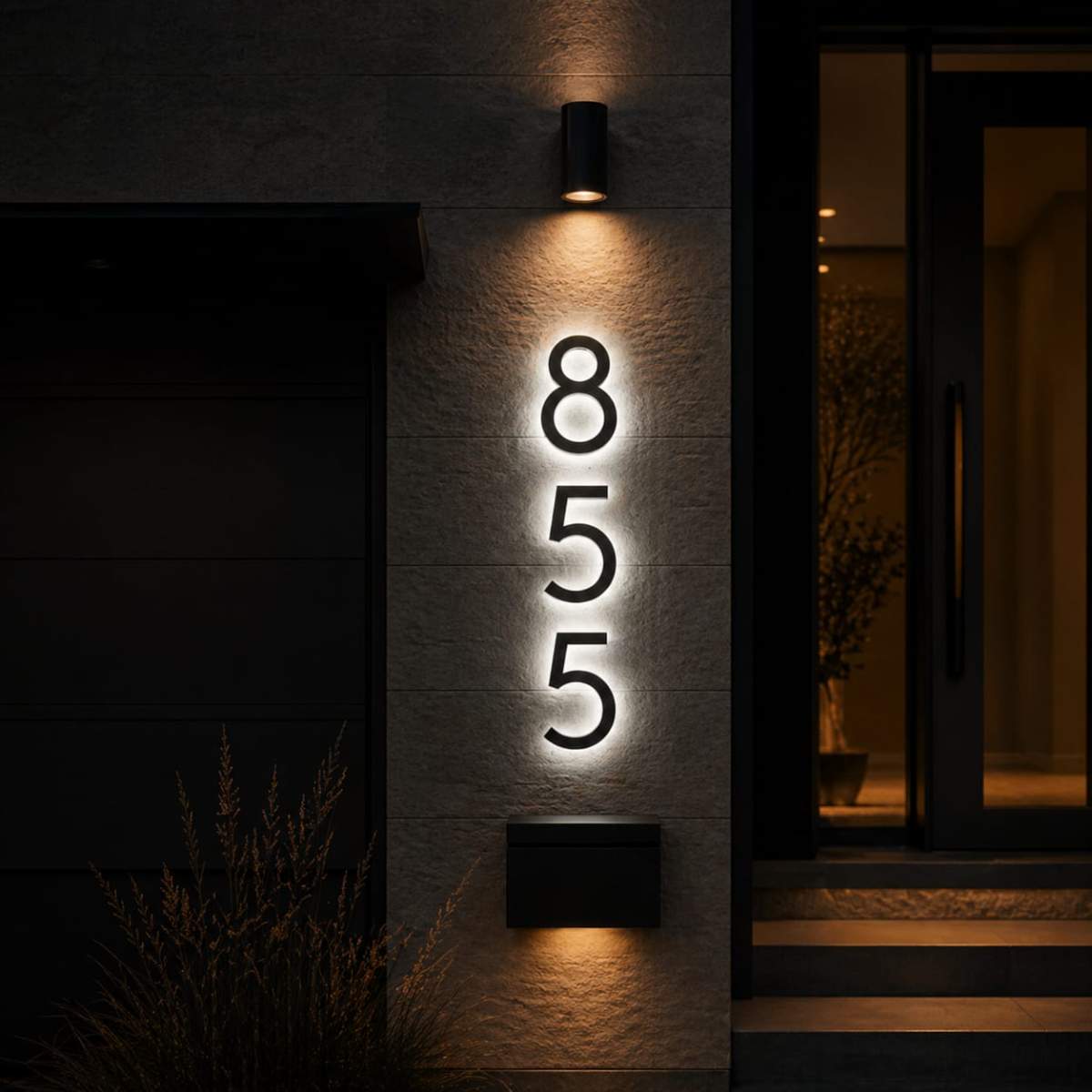
Illumination. At night, even large numbers can be difficult to read without adequate lighting. Illuminated signs provide consistent visibility regardless of ambient light conditions.
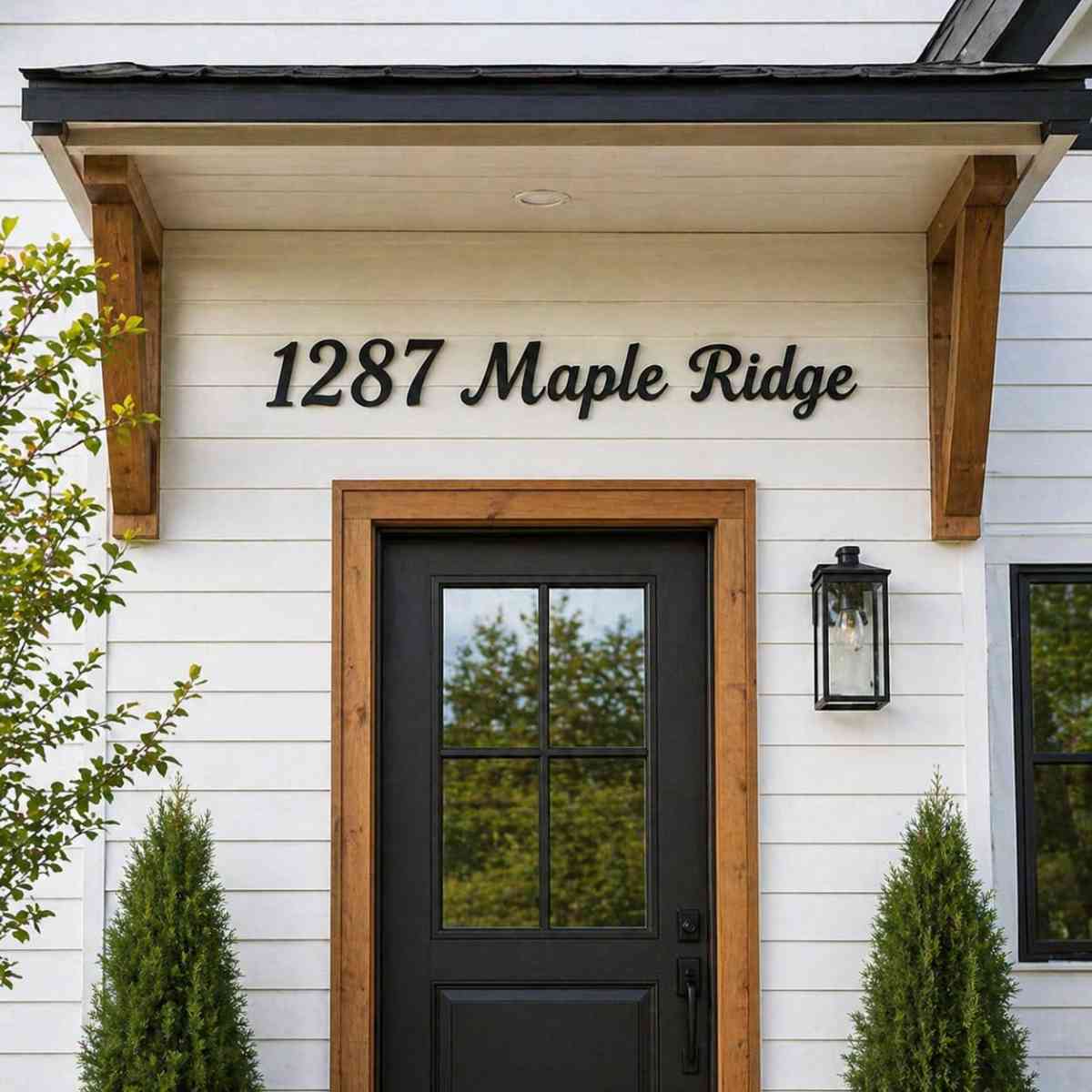
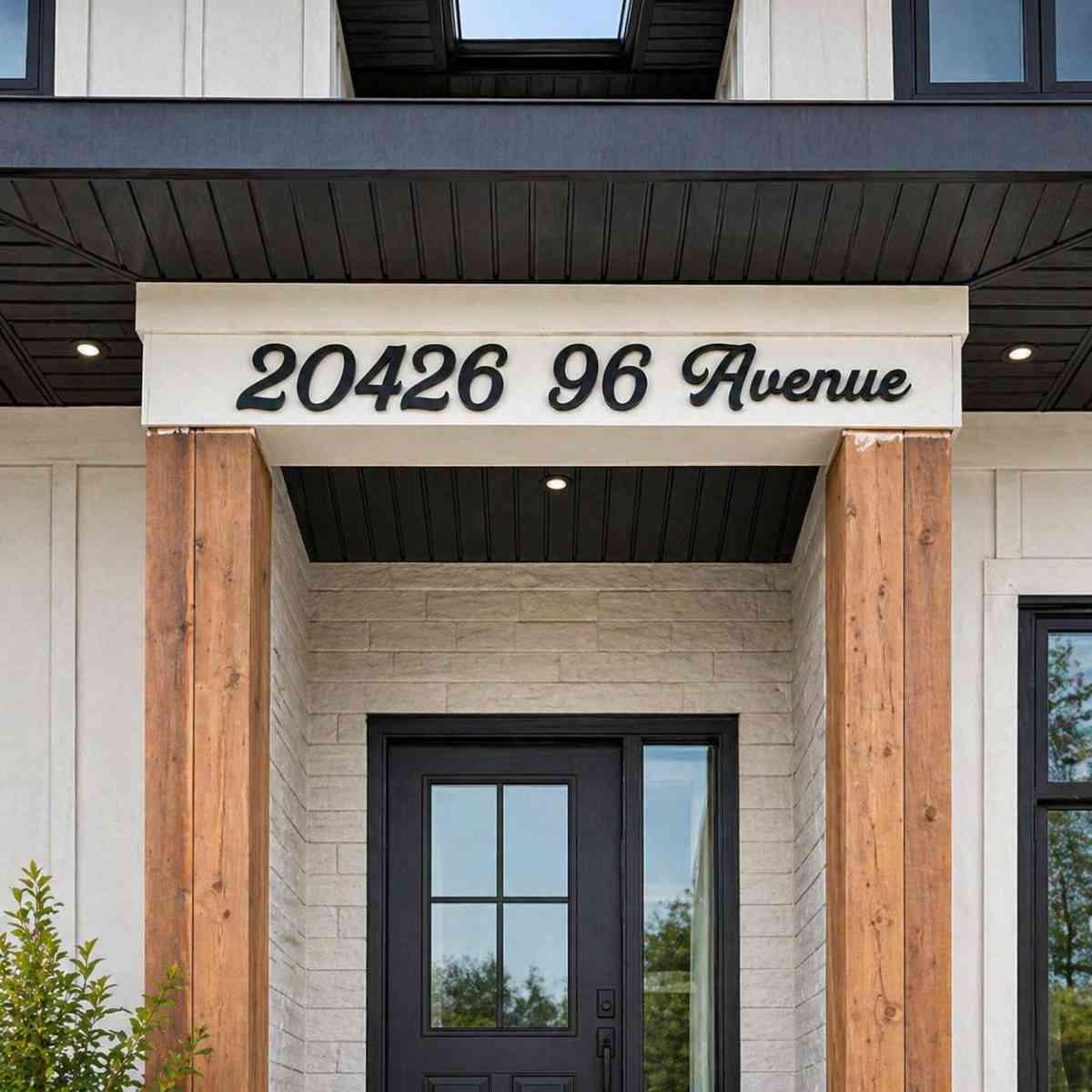
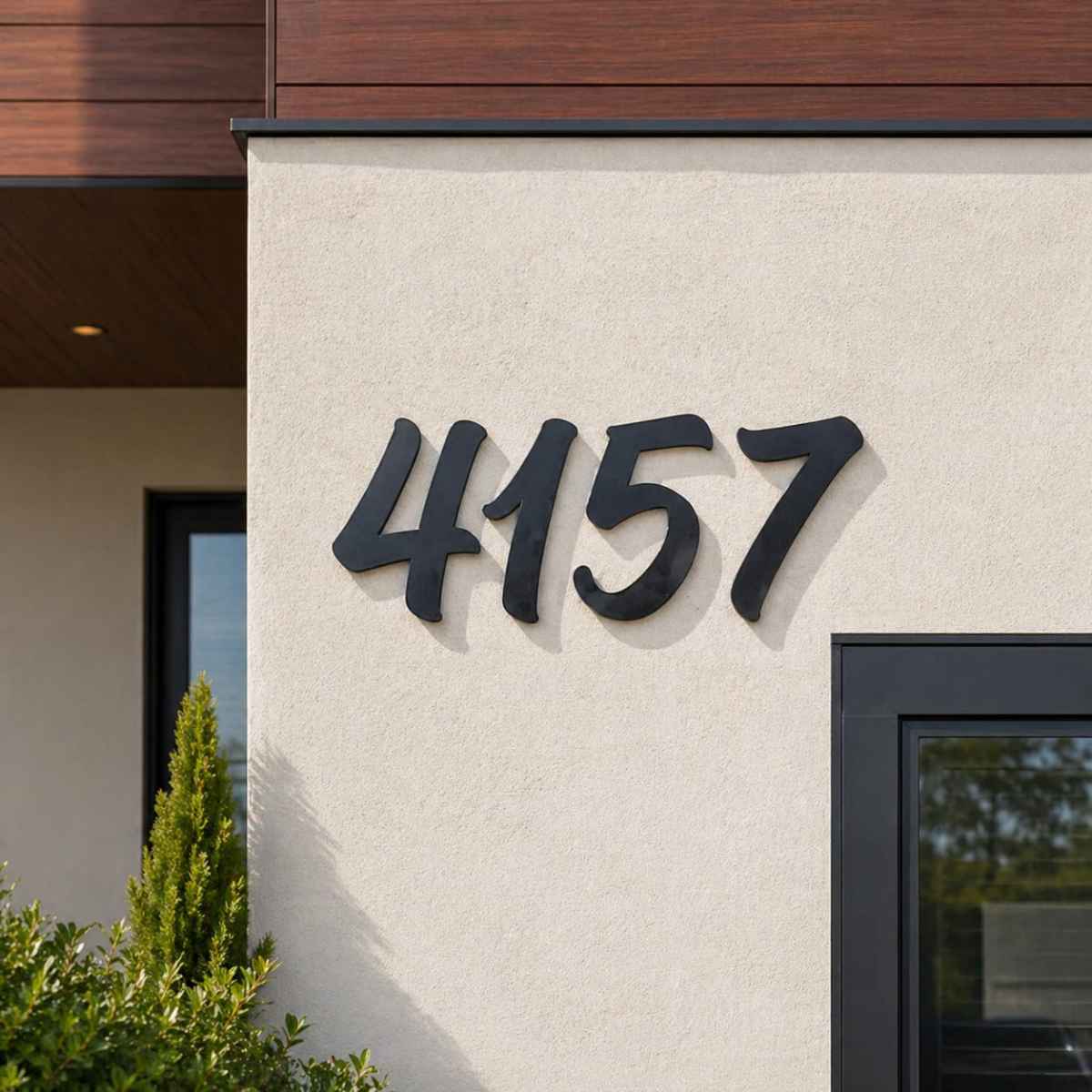
Font style. Simple, bold fonts are easier to read from a distance than thin, decorative, or script fonts. Choose clarity over ornamentation for address numbers.
Measuring Your Property's Viewing Distance
To determine the right number size for your home:
- Stand at the edge of the street or roadway in front of your property
- Measure the distance from that point to the front of your house or to the intended mounting location
- Use the distance-to-size guide above to choose the appropriate number height
- Test readability by viewing the numbers from the street at different times of day
Size by Product Type
AH Signs offers multiple number sizes depending on the product:
Non-illuminated house number signs: Available in standard sizing with multiple digit height options. Larger sizes may carry a size upcharge.
Illuminated house number signs: LED-illuminated numbers available in various sizes. Larger illuminated digits provide excellent nighttime visibility for properties with longer viewing distances.
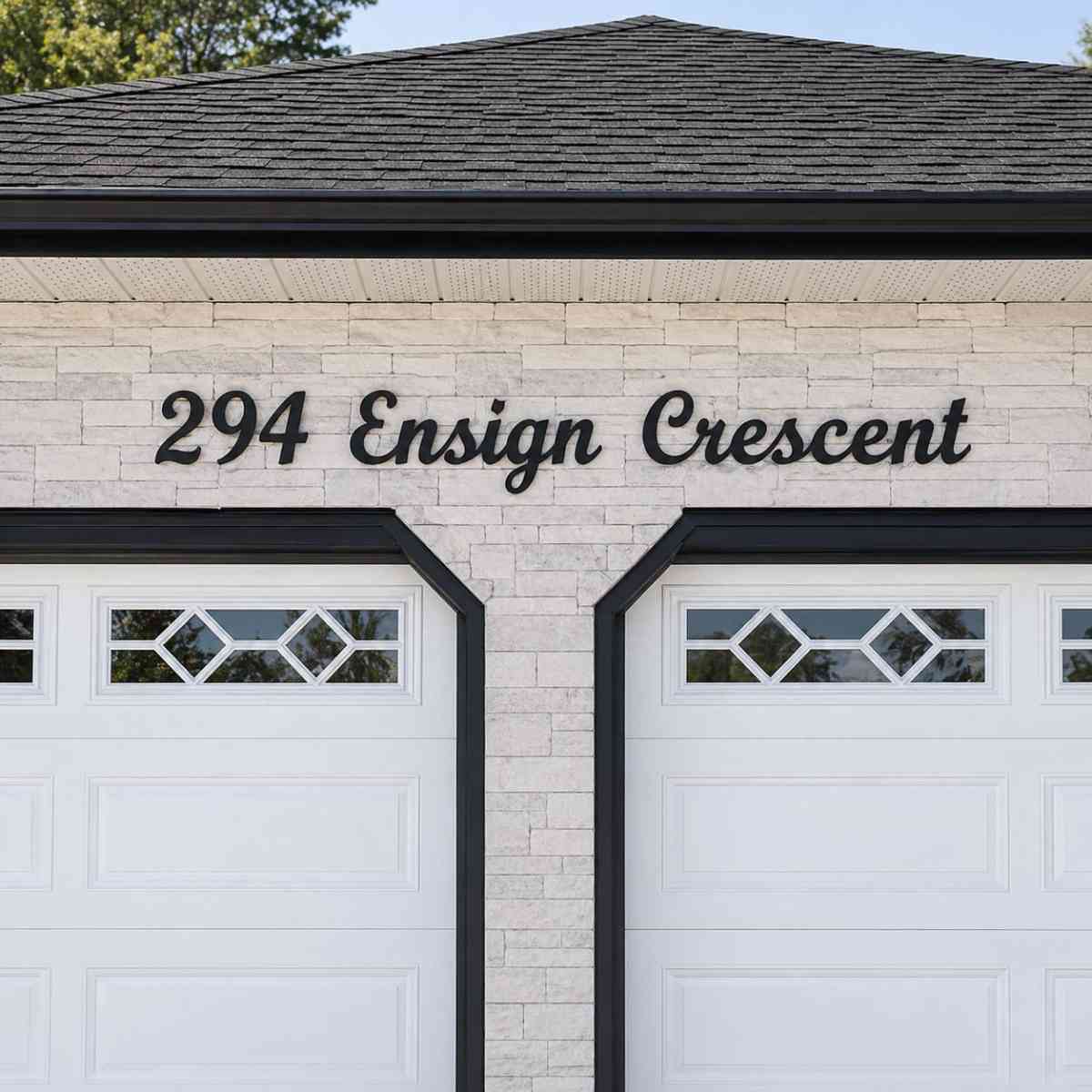
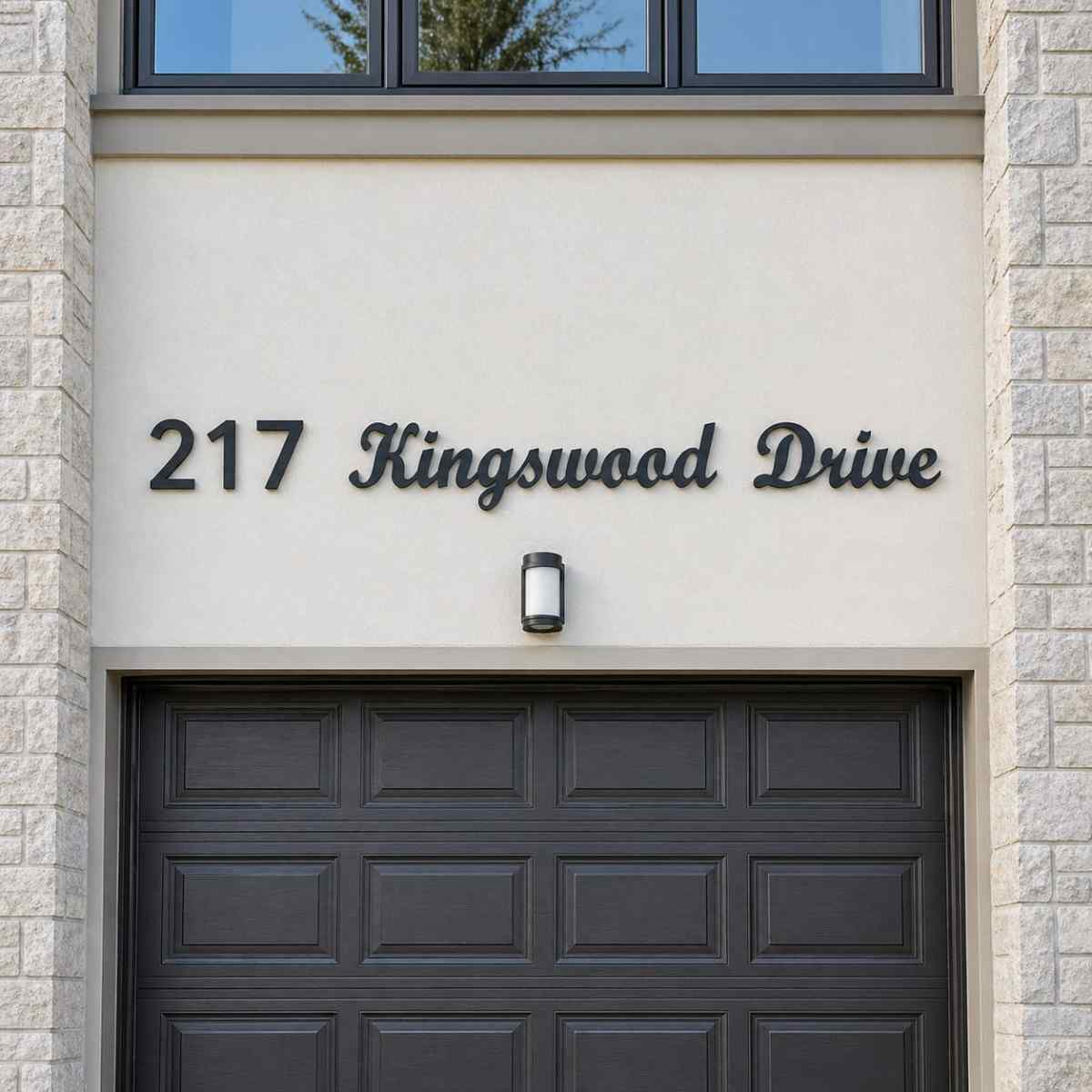
Combination street name and number signs: Available with both address numbers and street name text in sizes that ensure readability from the intended viewing distance.
Frequently Asked Questions
What is the most common house number size?
3 inches is the most common size for standard residential properties with typical front yard depths of 30 to 50 feet.
Can I mix different sizes for different digits?
Yes. You can customize each digit independently, though uniform sizing creates a cleaner appearance.
Are larger numbers always better?
Not always. Oversized numbers can look disproportionate on smaller homes or narrow entrances. Choose the smallest size that provides clear readability from the street.
Do illuminated numbers need to be larger?
Illuminated numbers are more readable at night regardless of size. Standard sizing is usually sufficient for illuminated signs because the built-in lighting improves visibility.
What size should I choose for a corner property?
Corner properties benefit from numbers that are visible from both approaching directions. Consider the longer viewing distance and size accordingly.
Related Guides
Need Help Choosing the Right Size?
Not sure what size works best for your property? Contact us at +1 (833) 860-9292 and we will help you select the right house number size for your home's specific layout and viewing distance. You can also browse our products to see available sizing options.